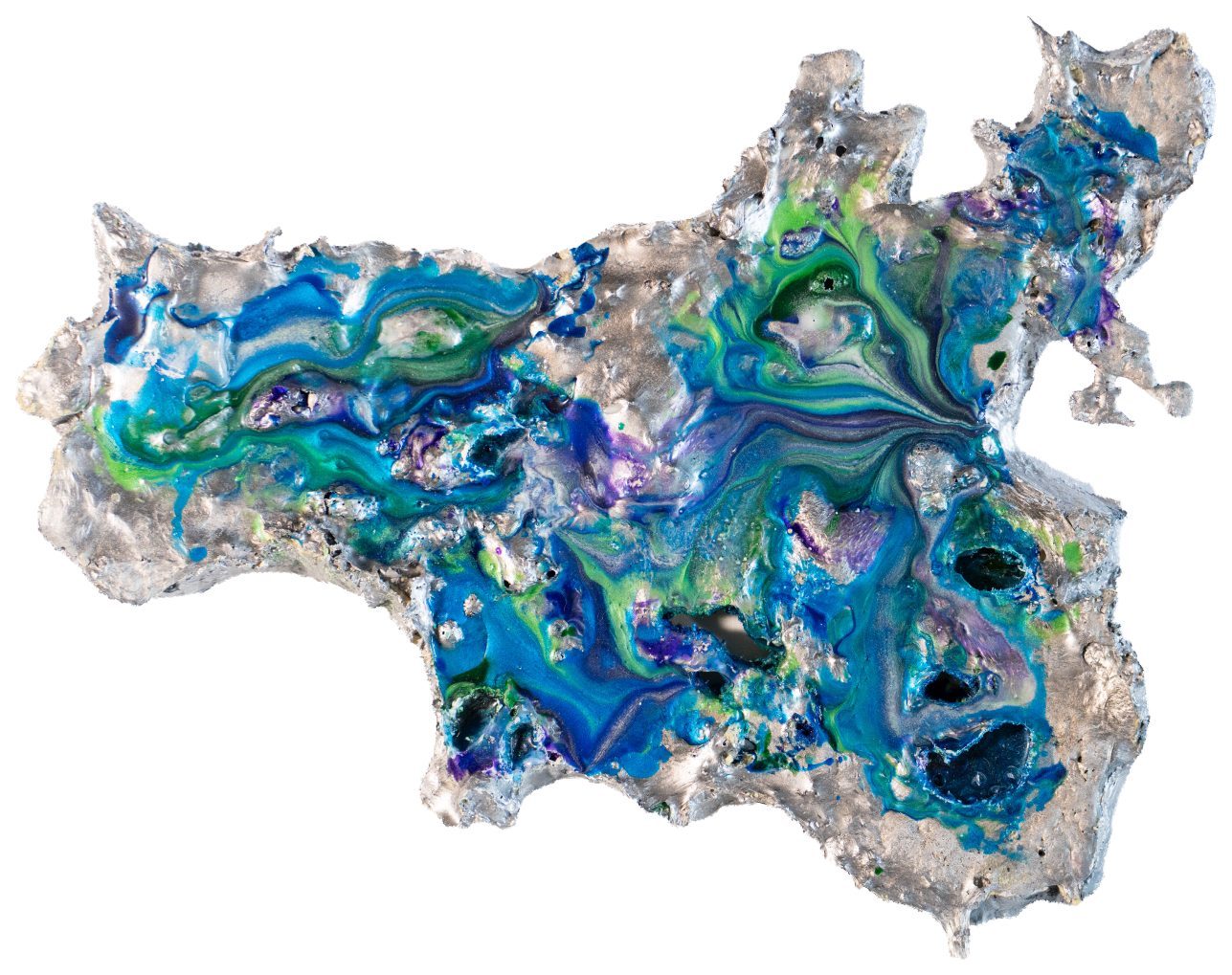
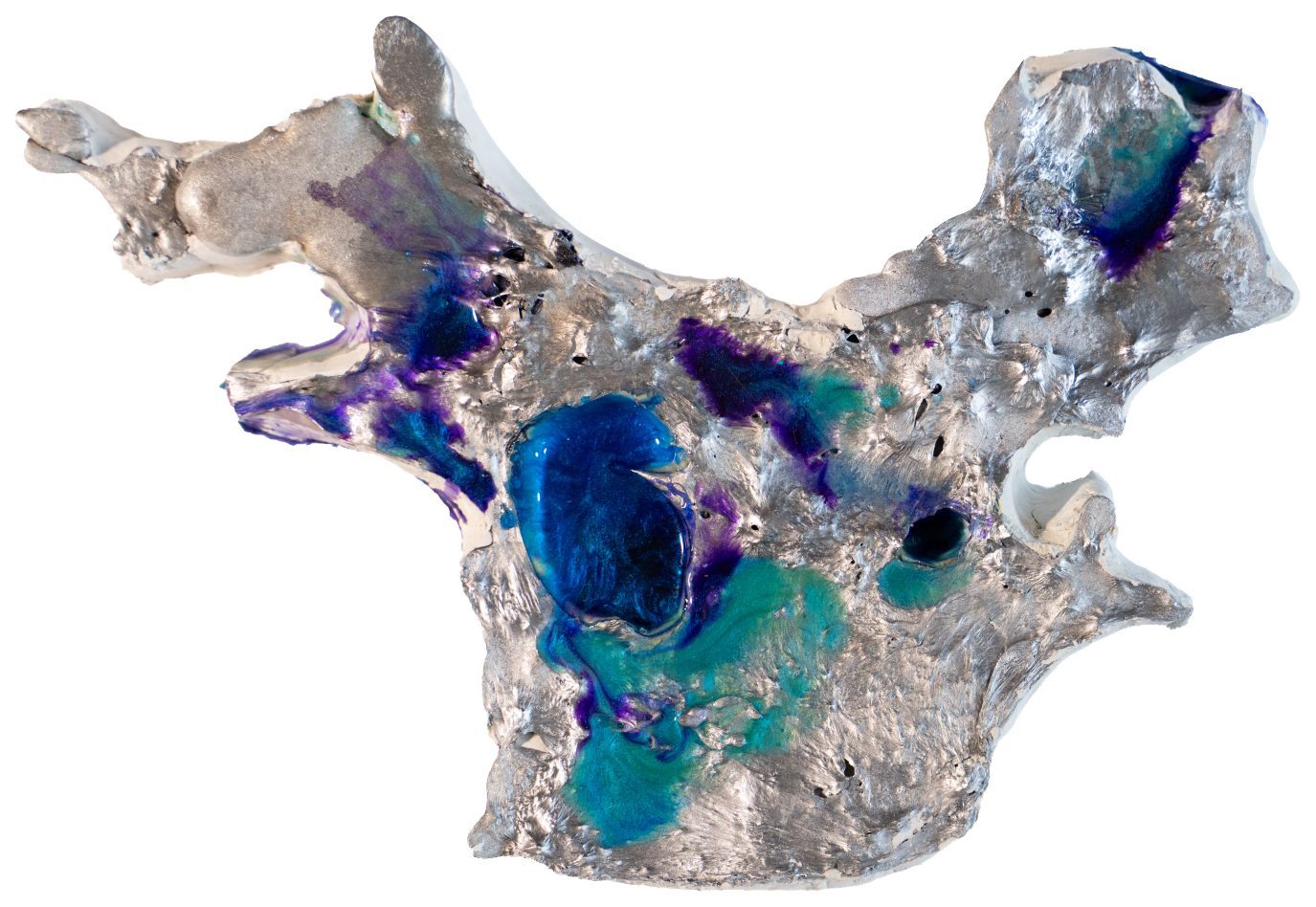
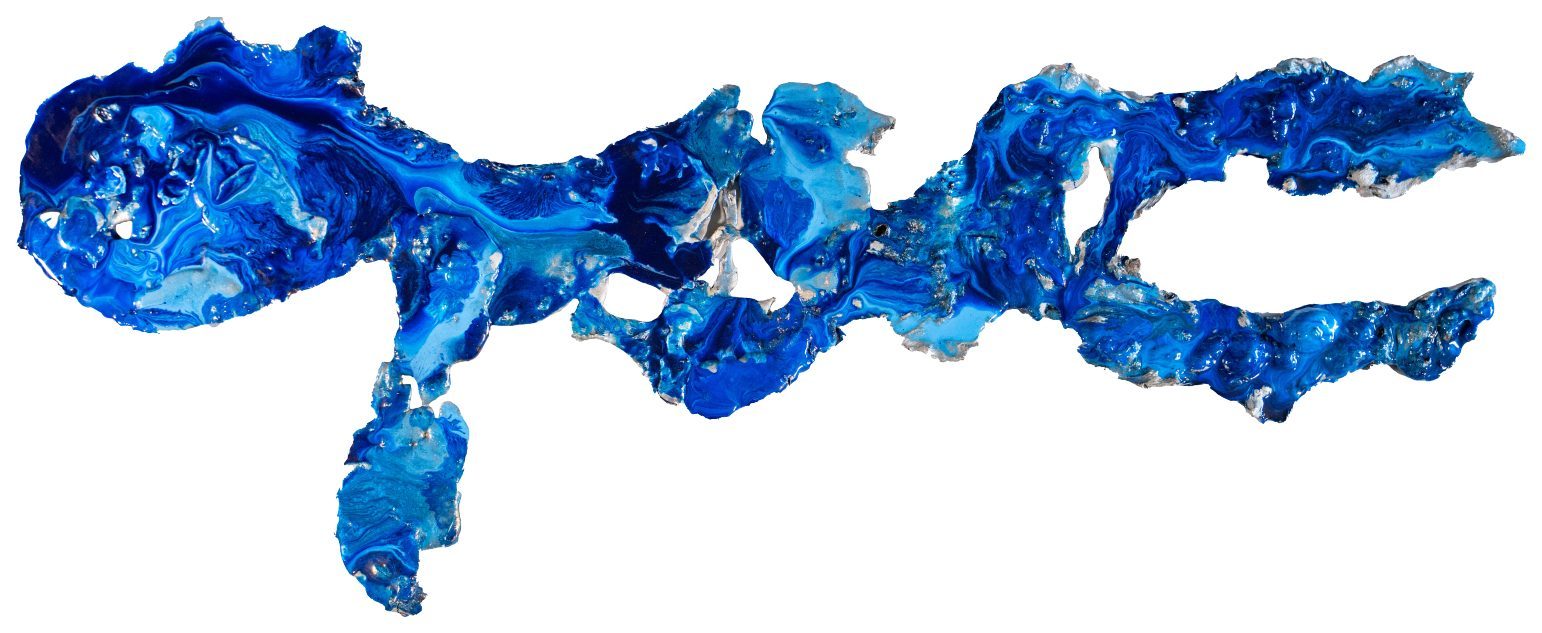
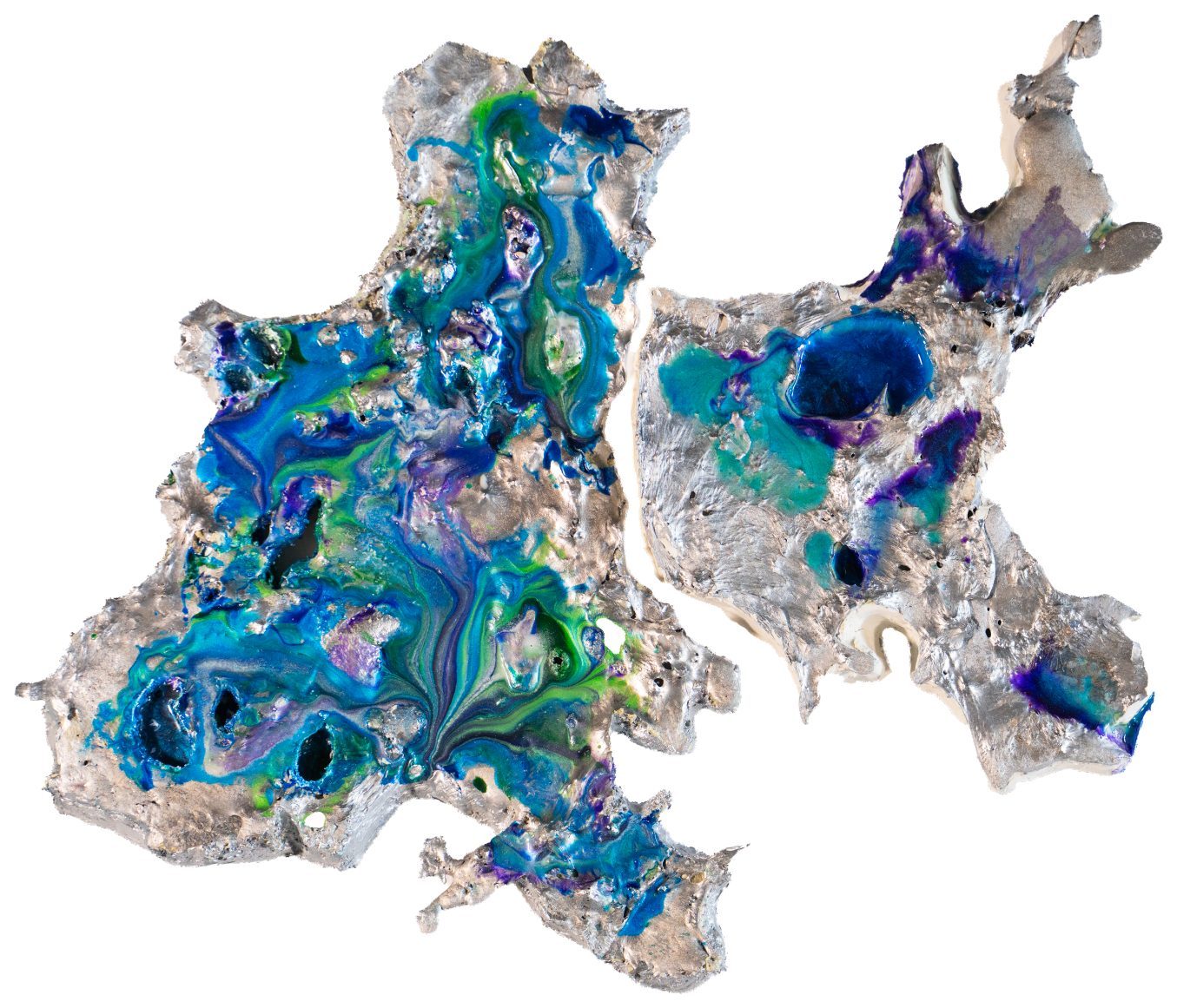
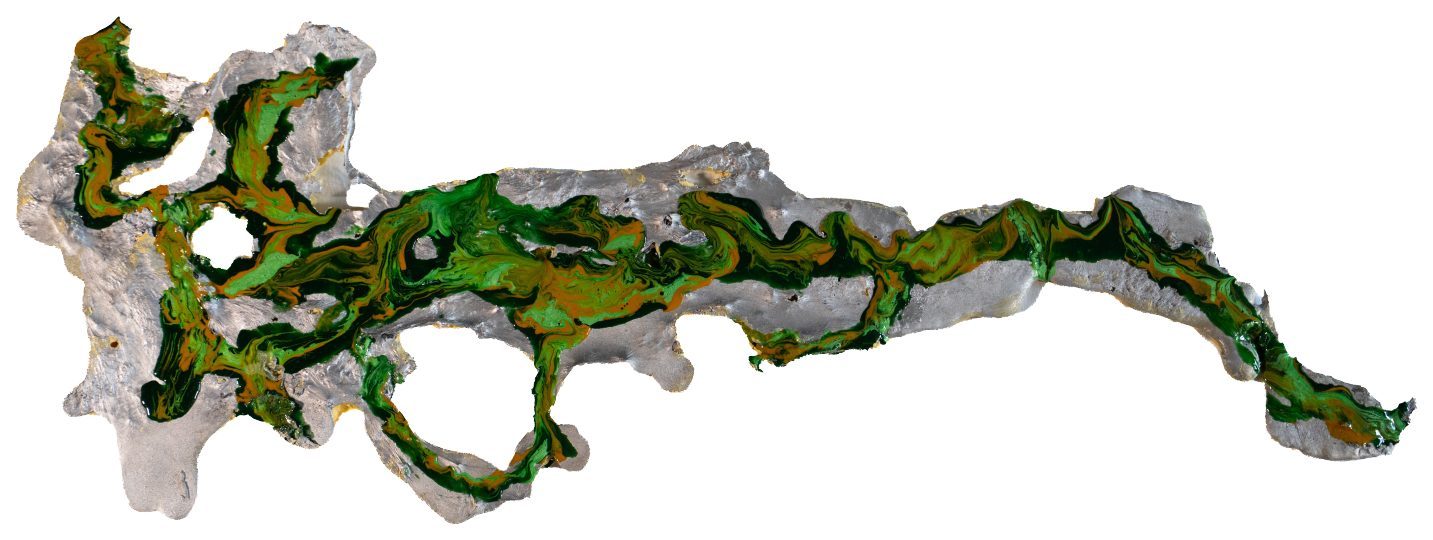
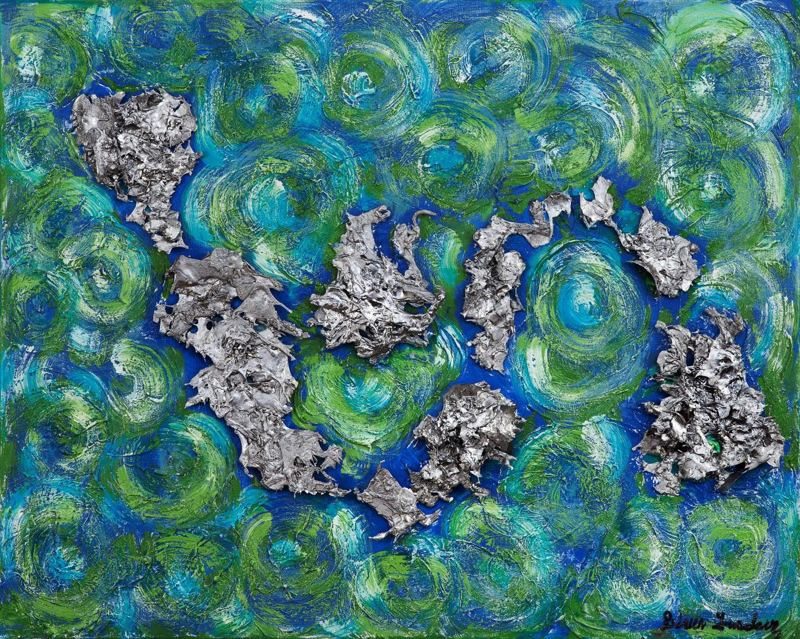
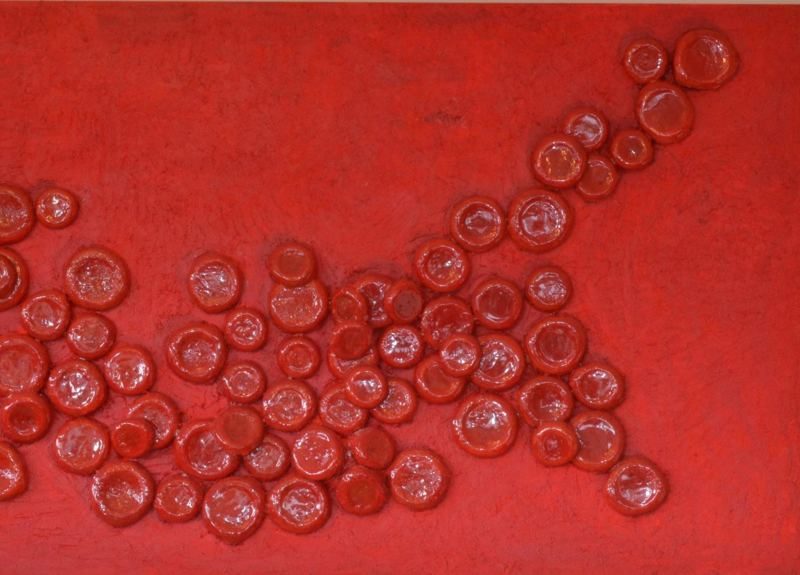
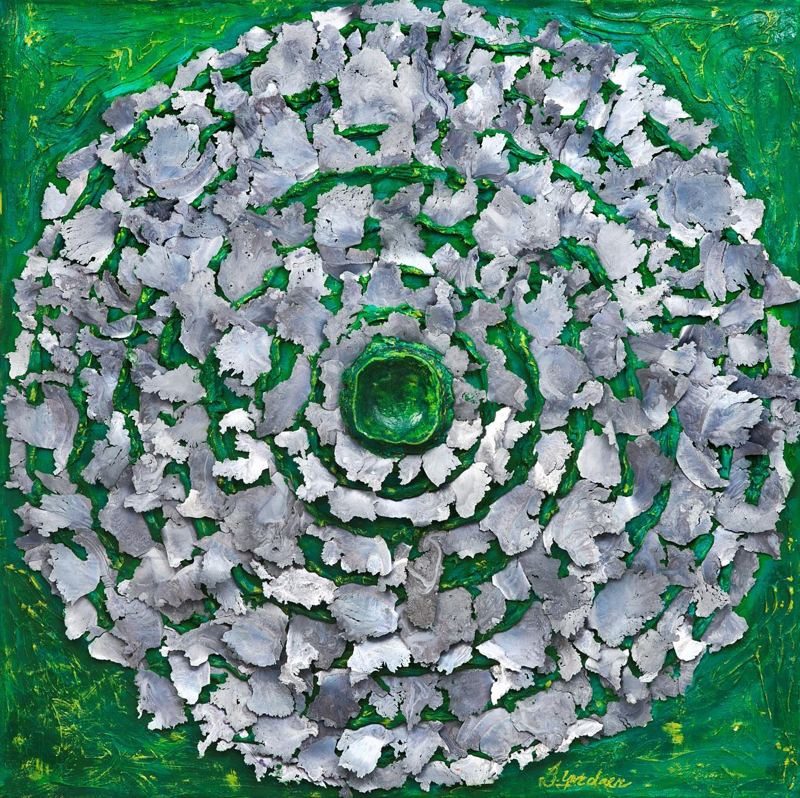
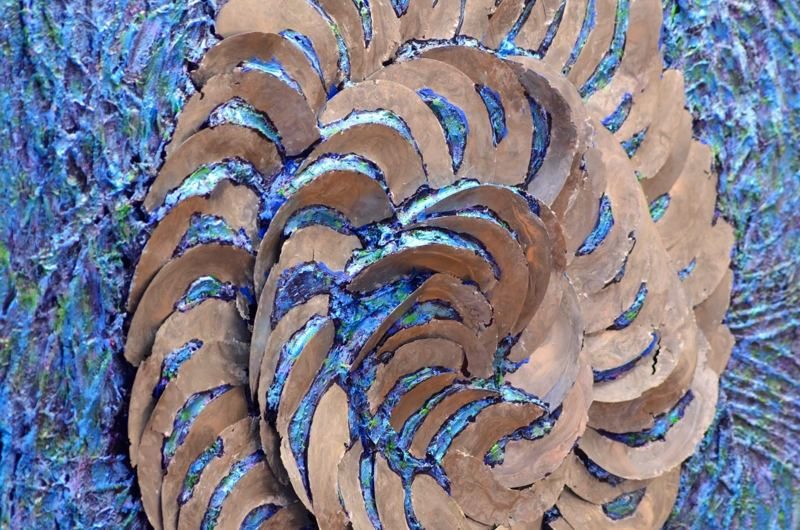
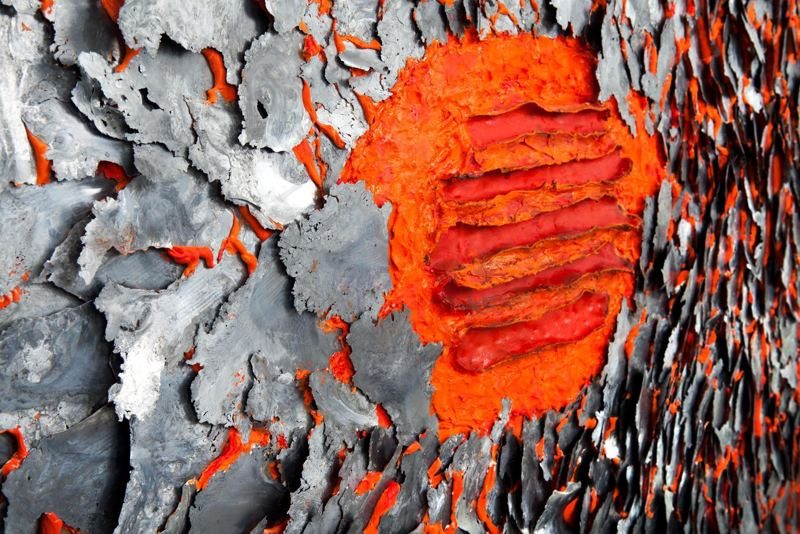
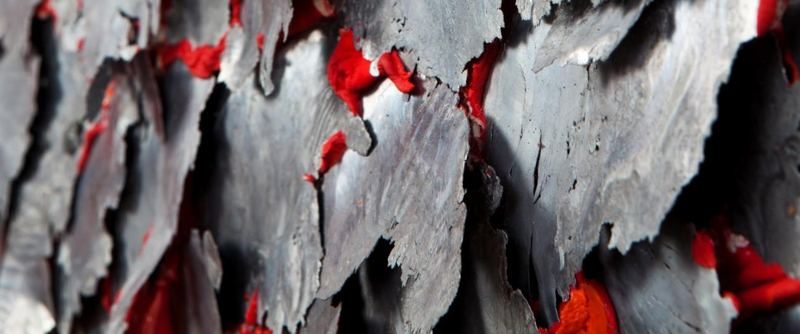
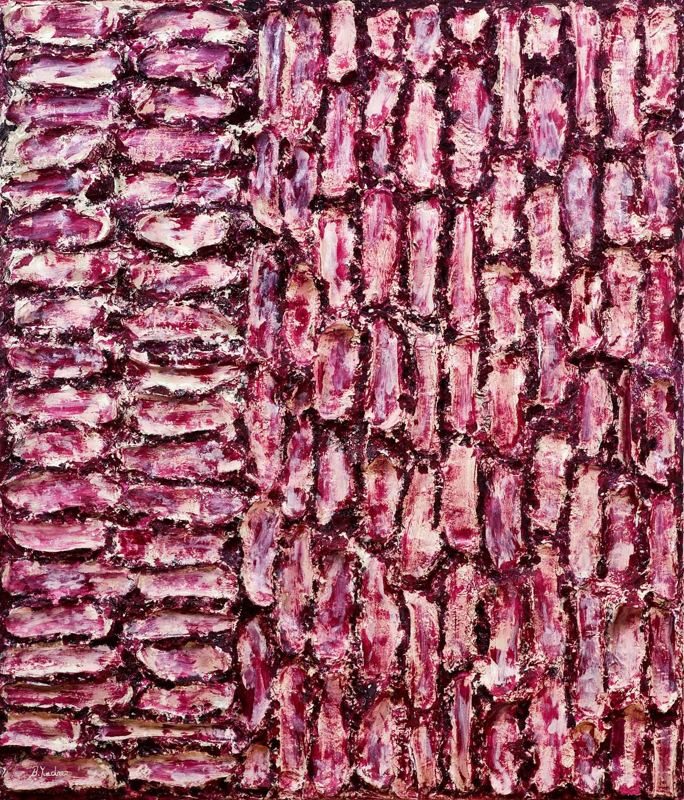
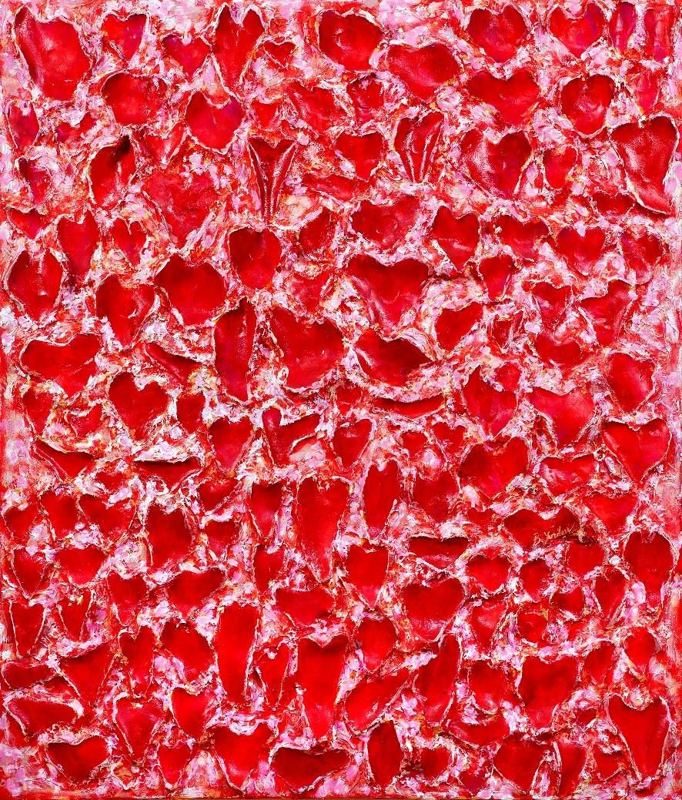
İsimsizUntitled 11, 2026 · Detay · Kum döküm ve toz boya reçineDetail · Sand-cast aluminium and pigmented resin · 87 × 90 cmFuture Memories
“Üretimimin merkezinde değişmeyen soru, görünür dünyanın ardındaki görünmeyen düzeni nasıl görünür kılabileceğim.”“The question at the centre of my work never changes: how can I make visible the invisible order behind the visible world?”
İnsanın doğa karşısındaki en eski arzularından biri, onun yaratıcı kudretine ortak olabilmektir. Maddeye biçim vermek, dönüşümü yönetmek, doğanın milyonlarca yılda gerçekleştirdiği süreçleri kendi iradesiyle yeniden kurmak.
Sanat tarihi boyunca doğa, gözlemlenen, yorumlanan ve temsil edilen bir gerçeklik olarak sanatçının karşısında durdu. Ancak doğayı yalnızca temsil edilecek bir görüntü olarak düşünmek, onun sürekli dönüşen varlığını göz ardı etmek demektir. Peki sanatçı, doğanın ürettiklerini tasvir etmek yerine onun yaratma yöntemlerini benimseyebilir mi?
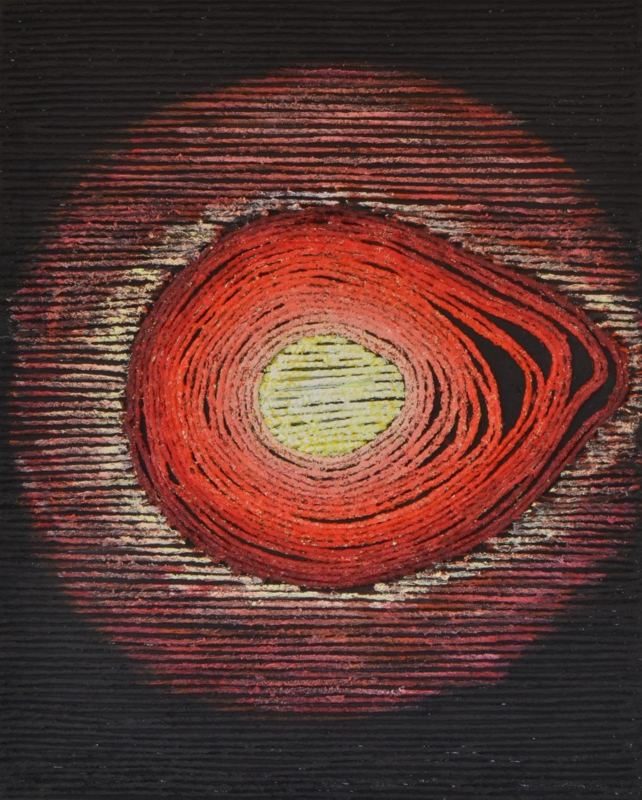
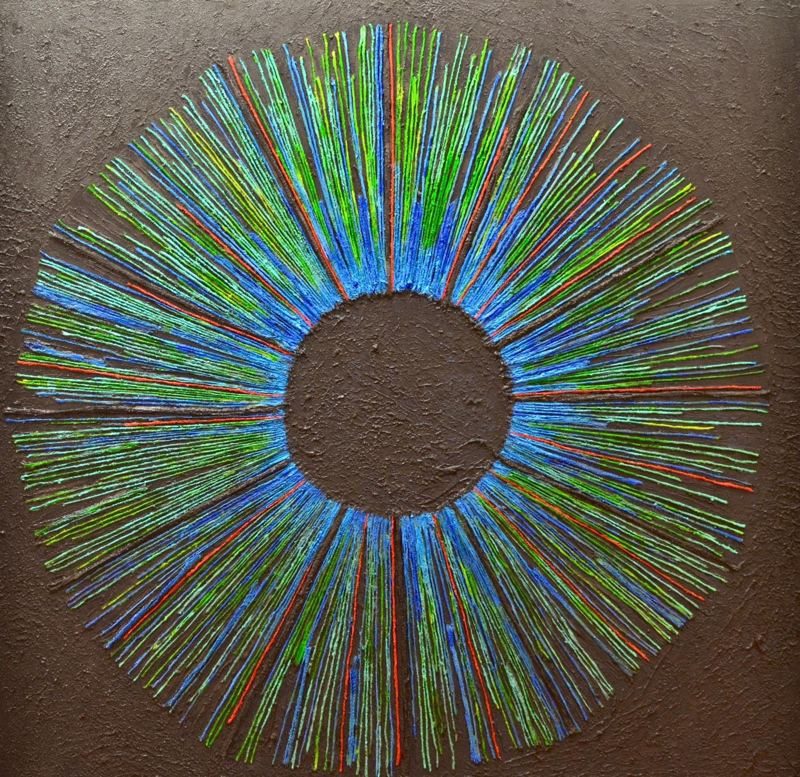
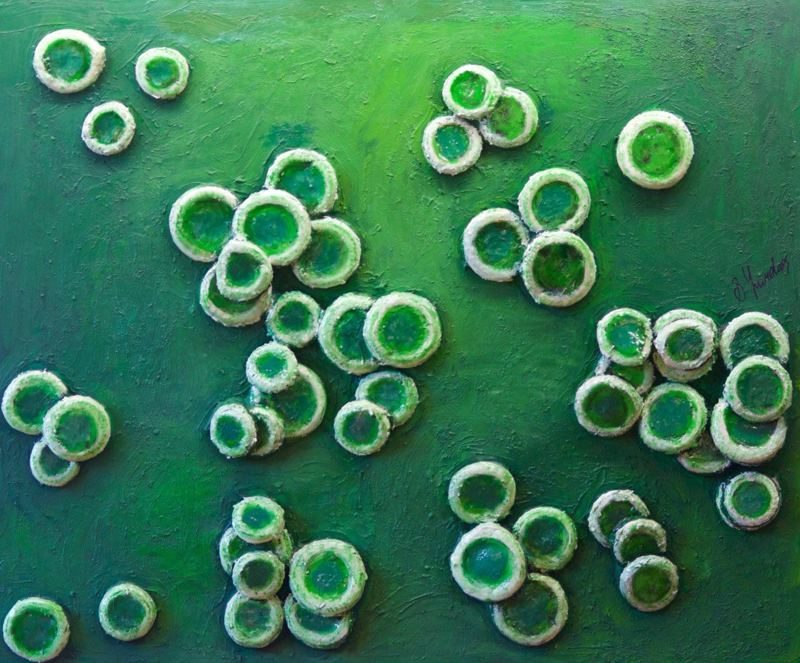
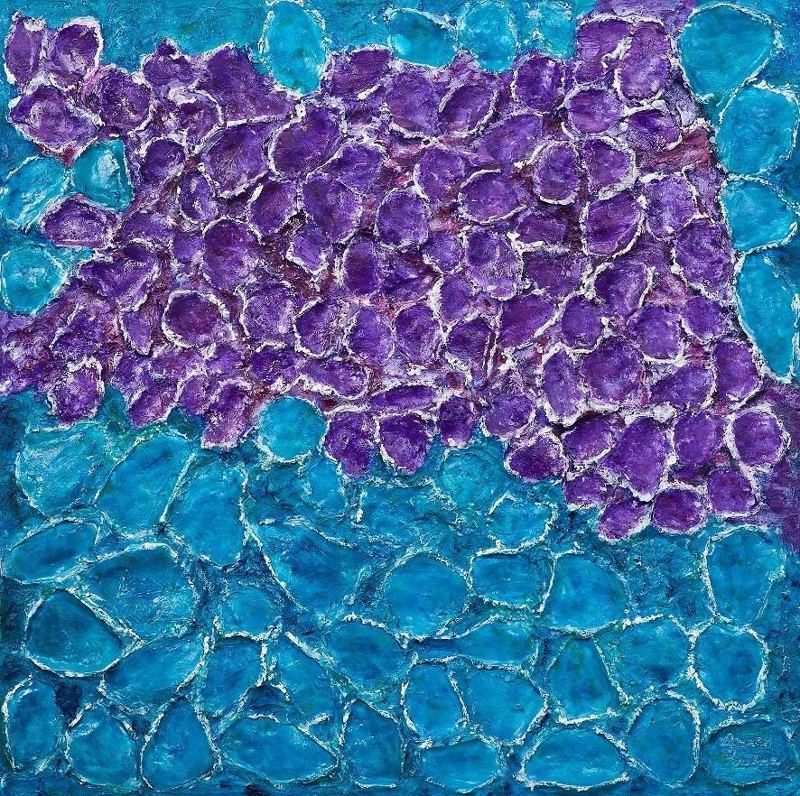
Yurdaer’in üretimi bu olasılığın çağdaş bir karşılığını sunar. Deniz, sanatçının pratiğinde renklerin, dokuların ve organik biçimlerin keşfedildiği bir araştırma alanıdır. Bakışı, bütünün sunduğu tanıdık manzaradan uzaklaşarak ayrıntıya yönelir. Deniz yüzeyinin altında çoğu zaman gözden kaçan oluşumlar, beklenmedik renk geçişleri ve değişken yapılar, sanatçının biçimsel araştırmalarına kaynaklık eder. Yurdaer, bu biçimlerin ardındaki oluşum dinamiklerini kendi üretimine taşır.
Özne ile nesne arasındaki geleneksel ayrımı sorgulayan yeni materyalist düşünce, Yurdaer’in pratiğinde somut bir karşılık bulur. Malzeme, sanatçının iradesine bütünüyle tabi olan edilgen bir araç değildir. Kendi fiziksel özellikleri, direnci ve öngörülemeyen hareketleriyle yaratımın etkin bir bileşenidir. Sanatçının rolü ise bu kuvvetleri ortadan kaldırmak değil, onların birlikte çalışabileceği koşulları kurmaktır.
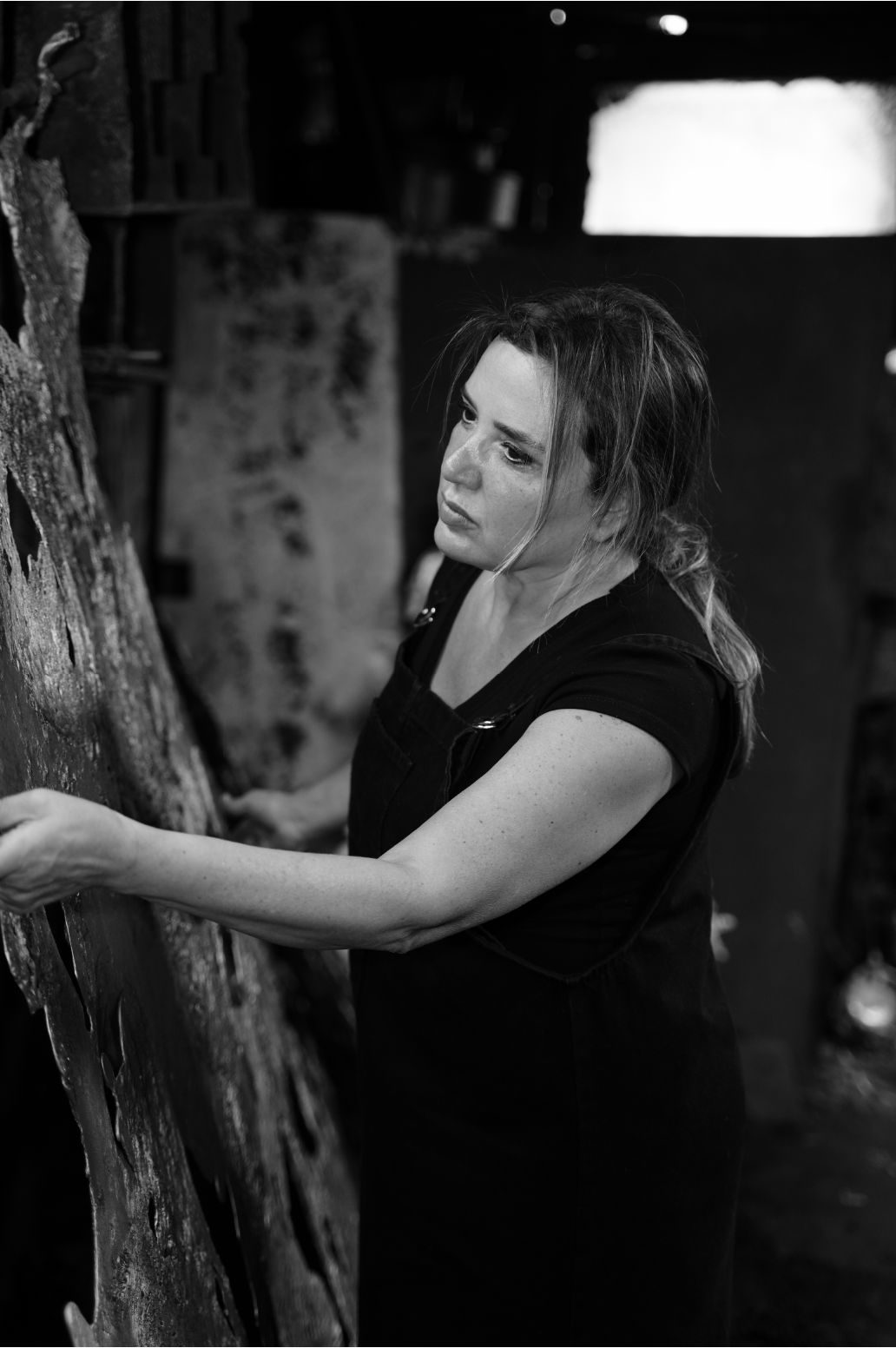
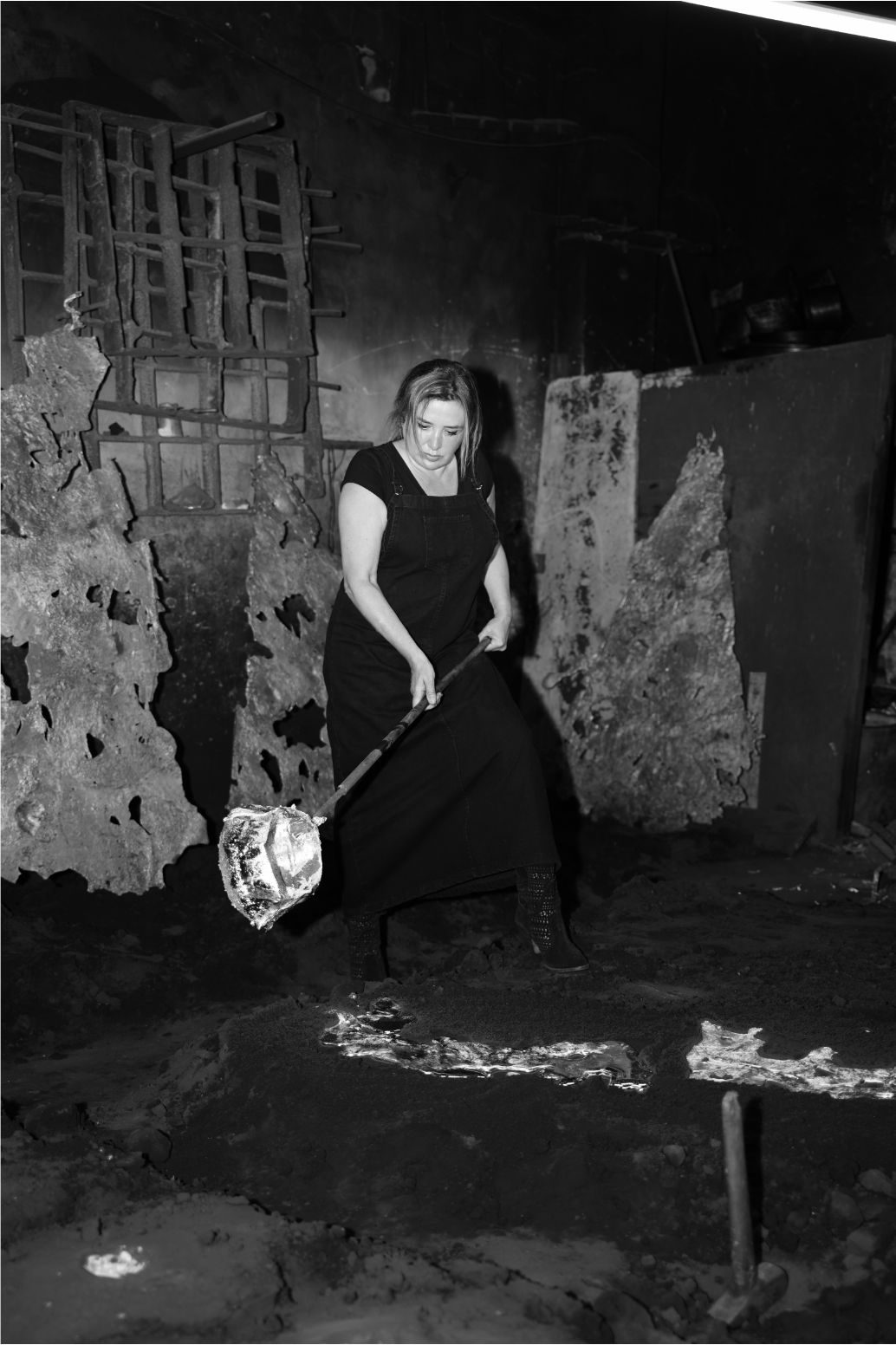
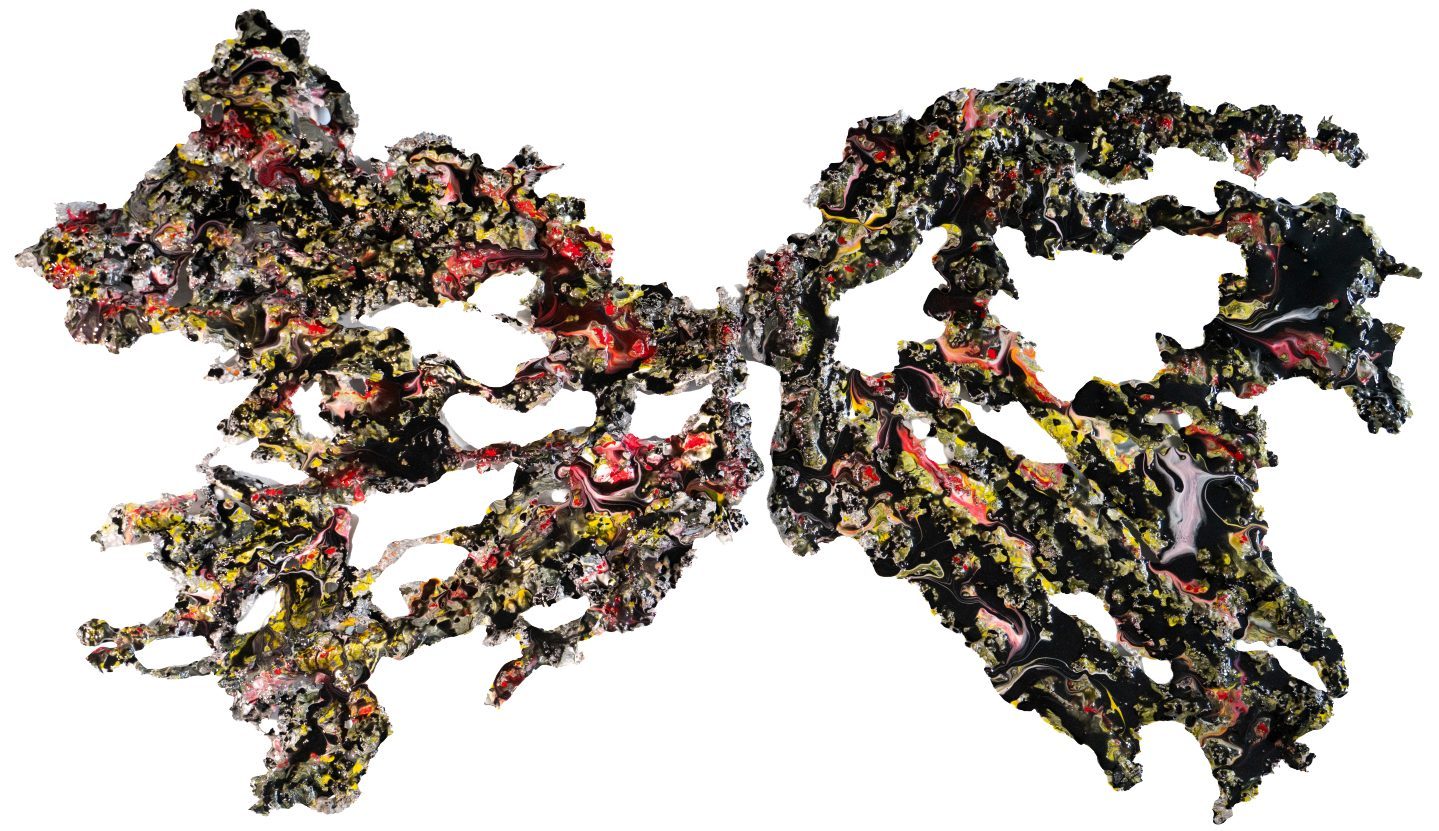
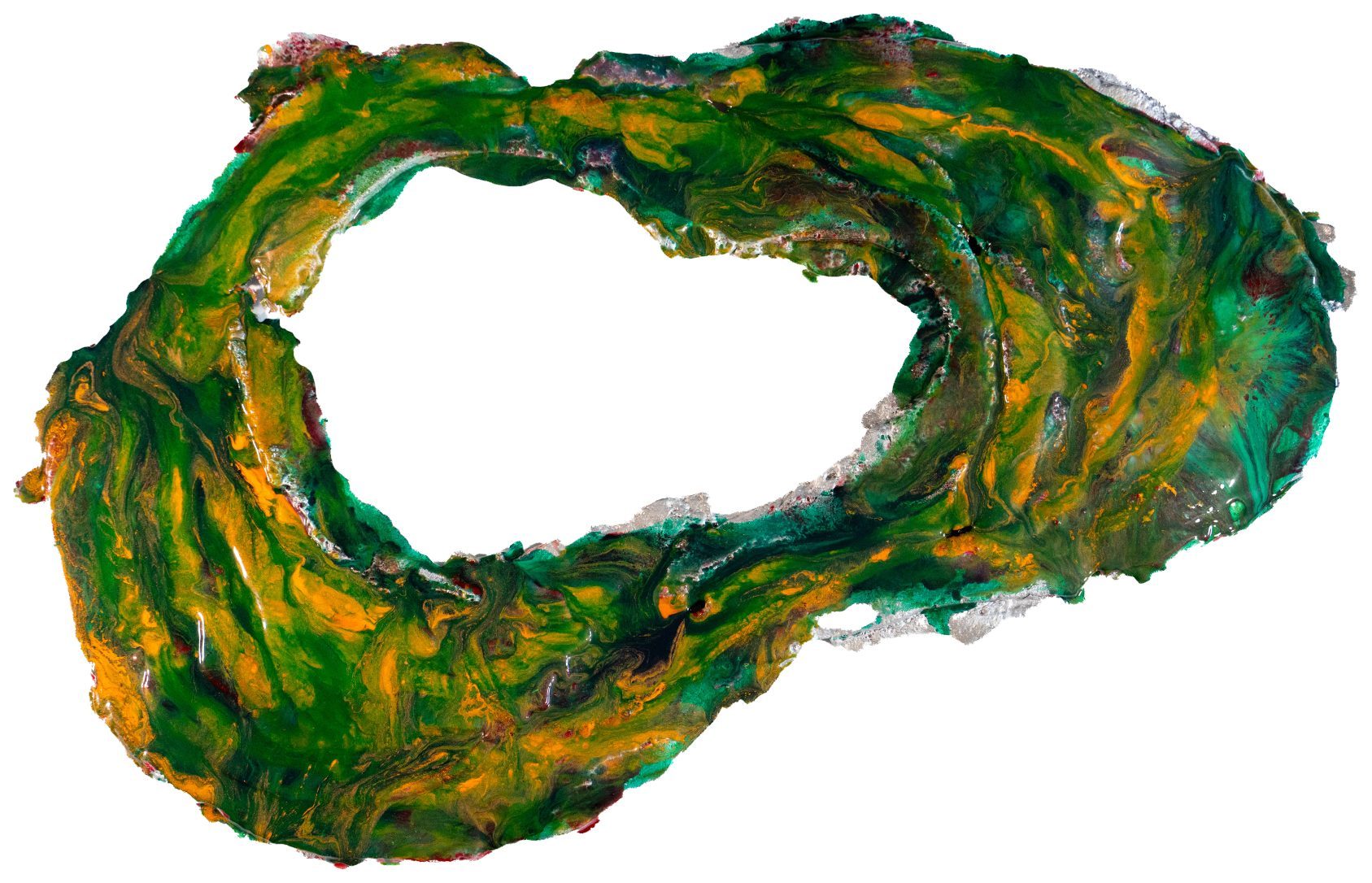
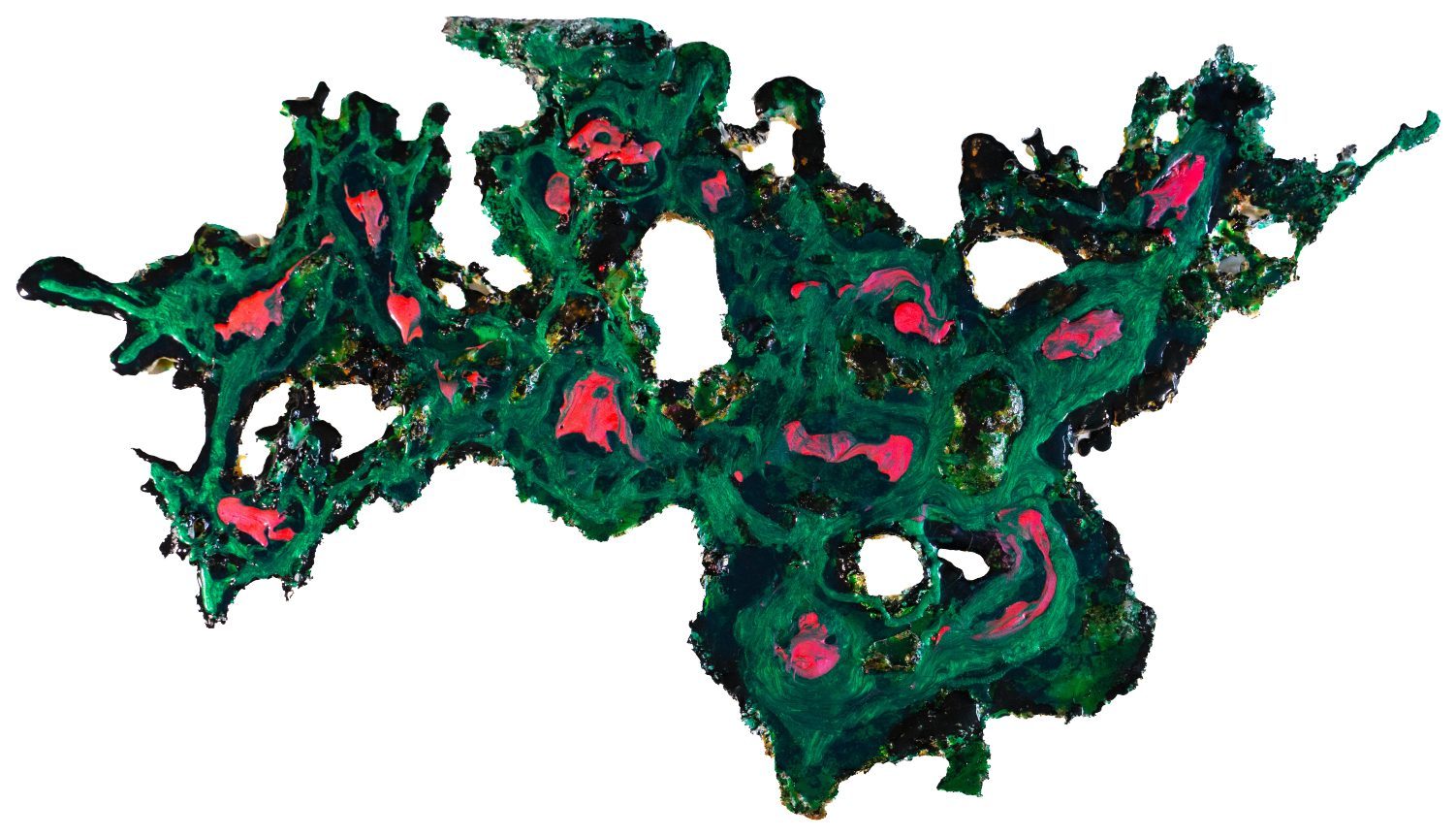
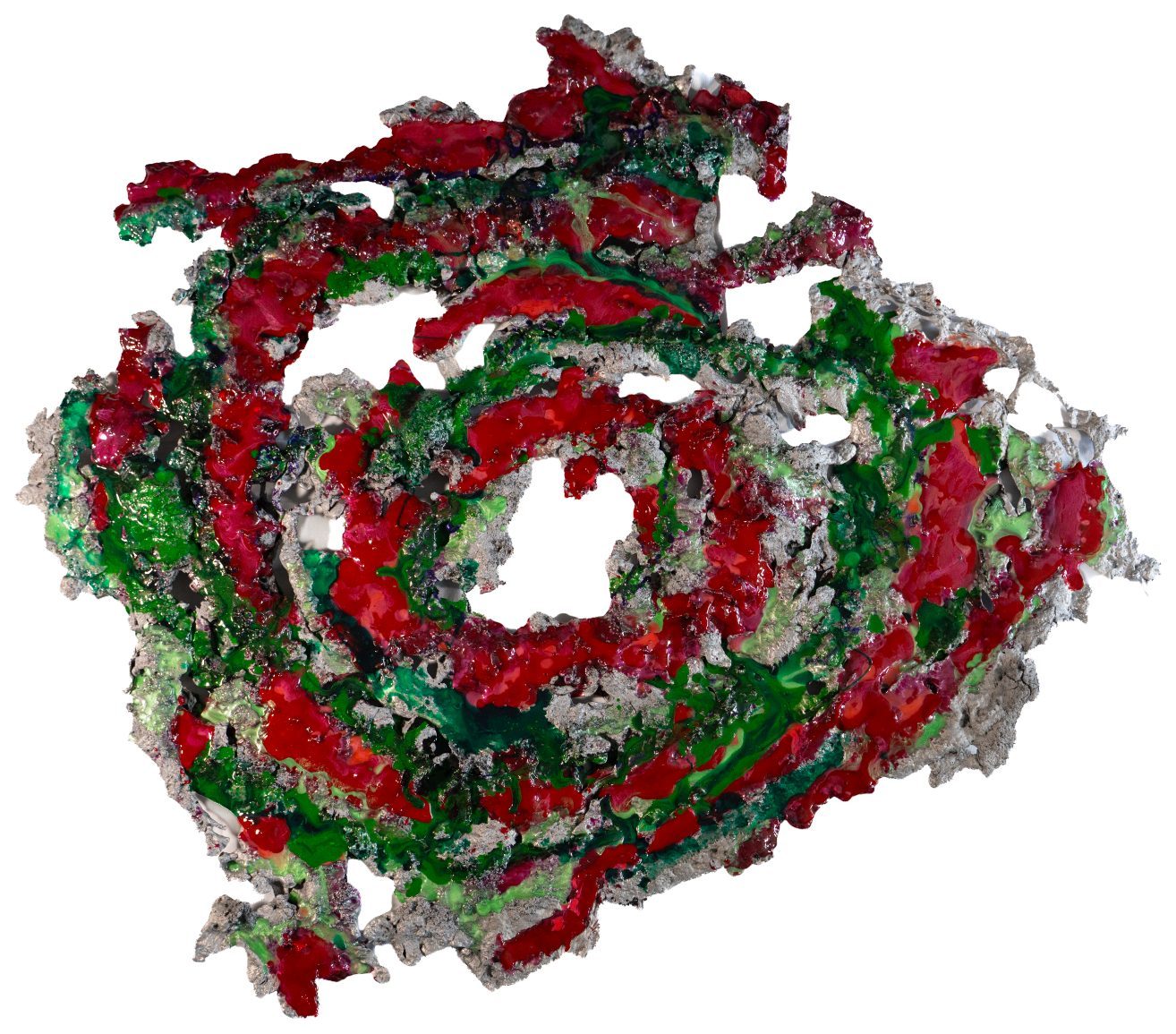
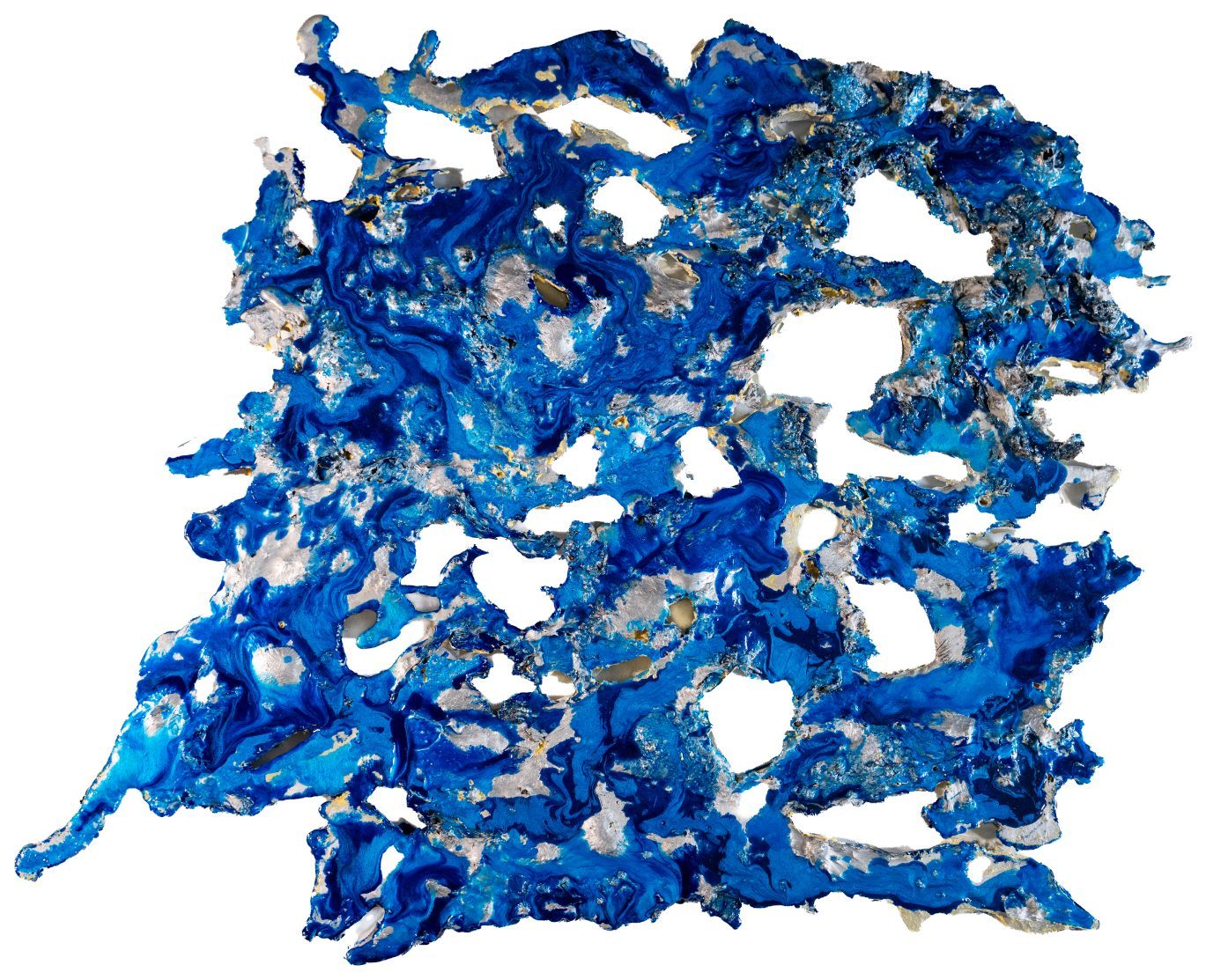
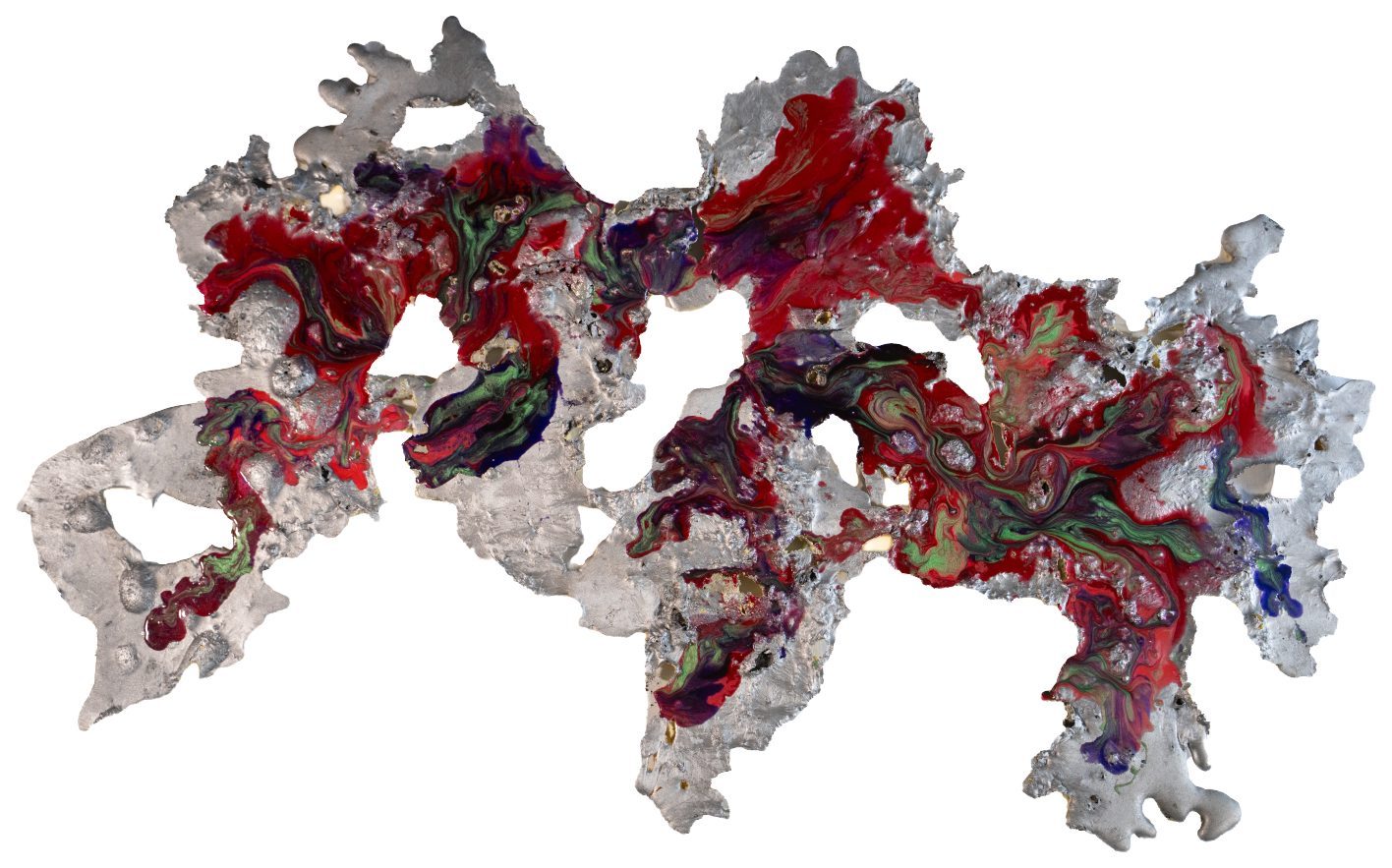
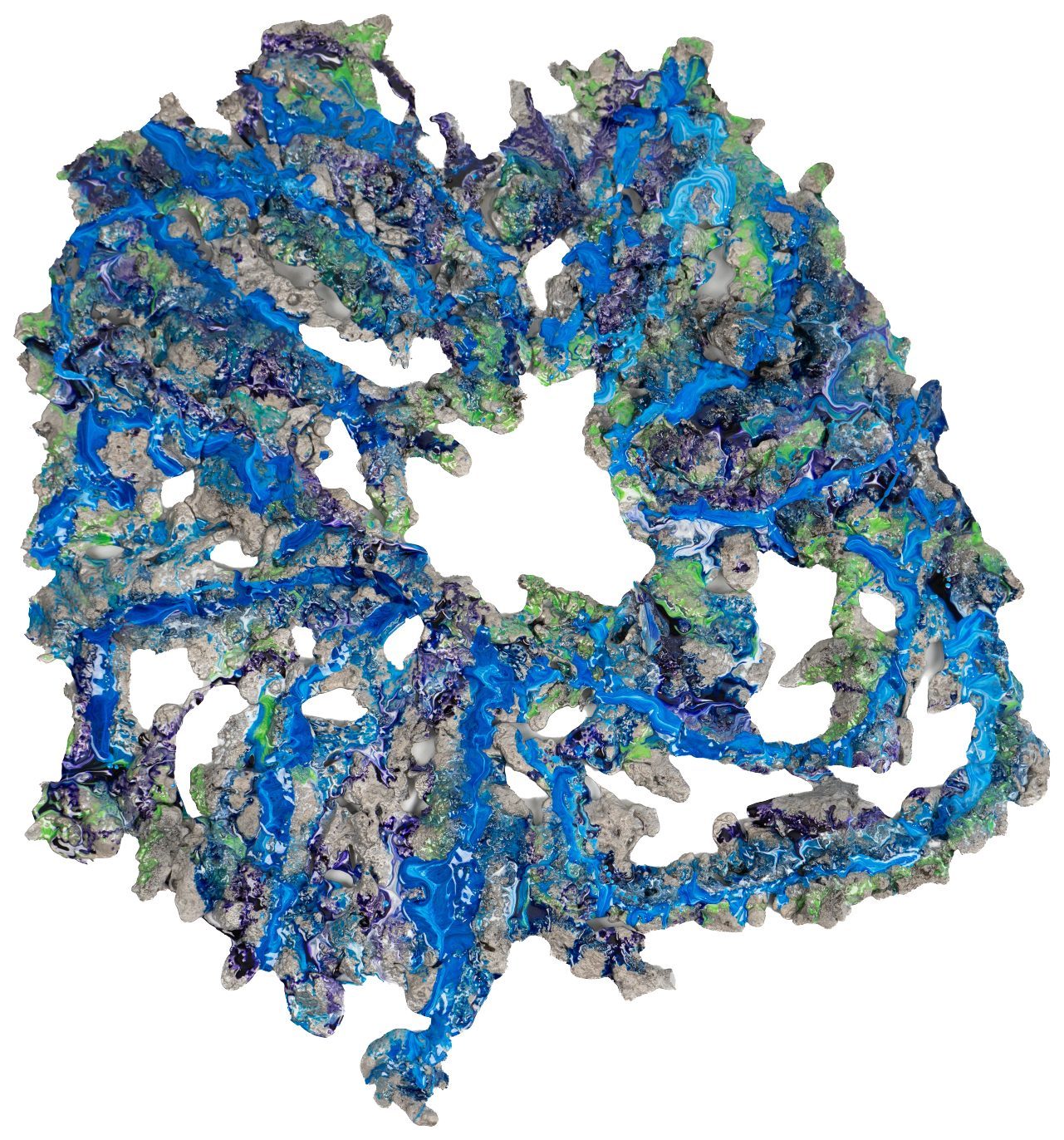
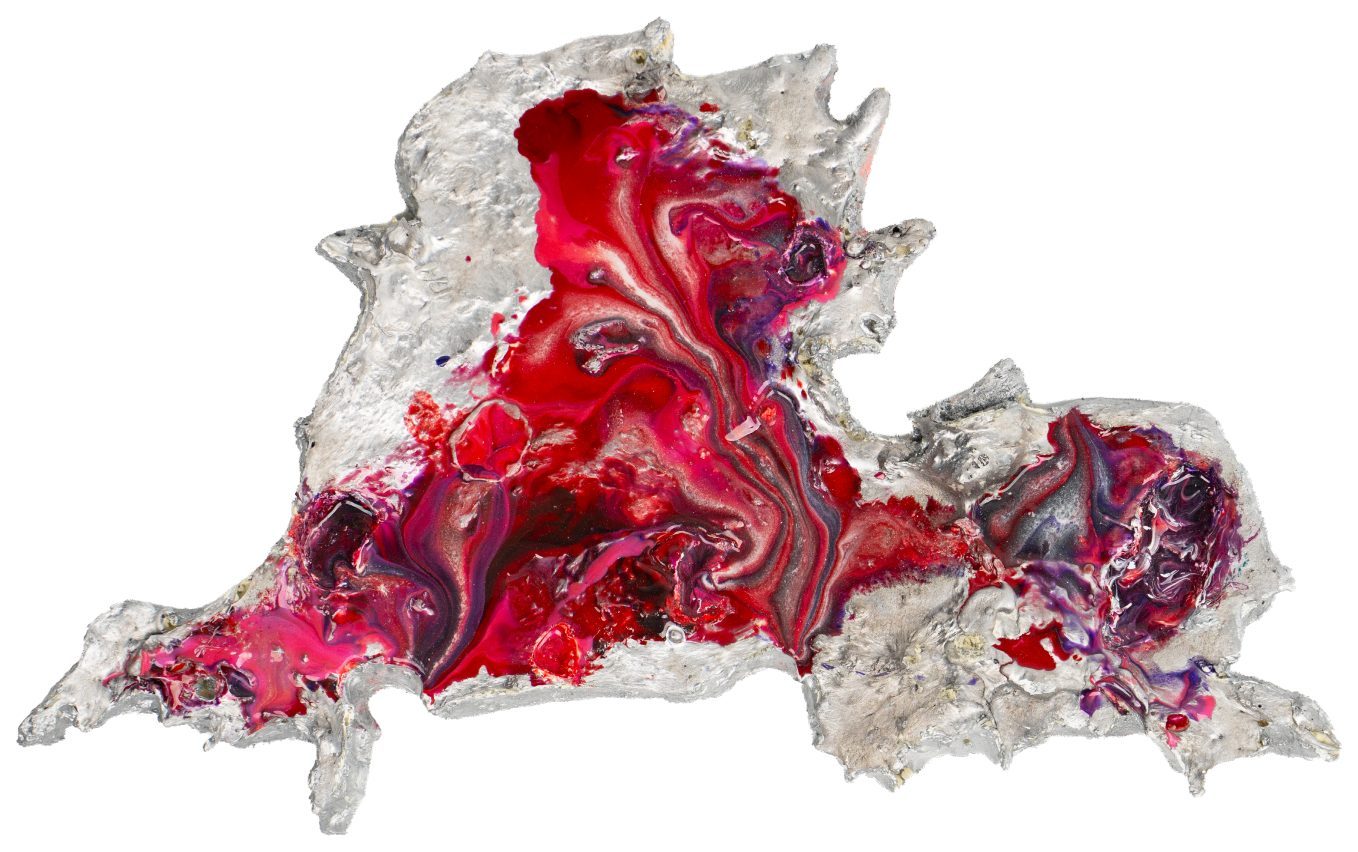
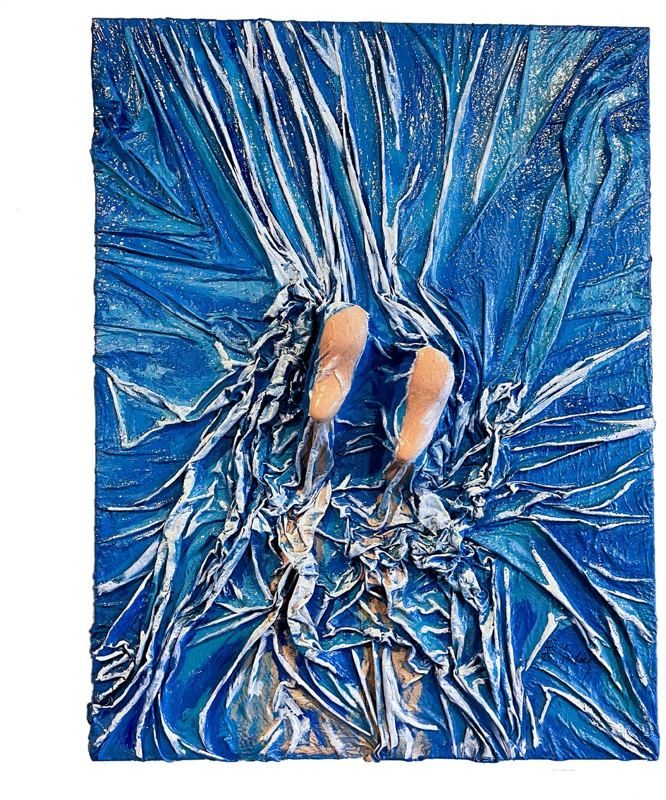
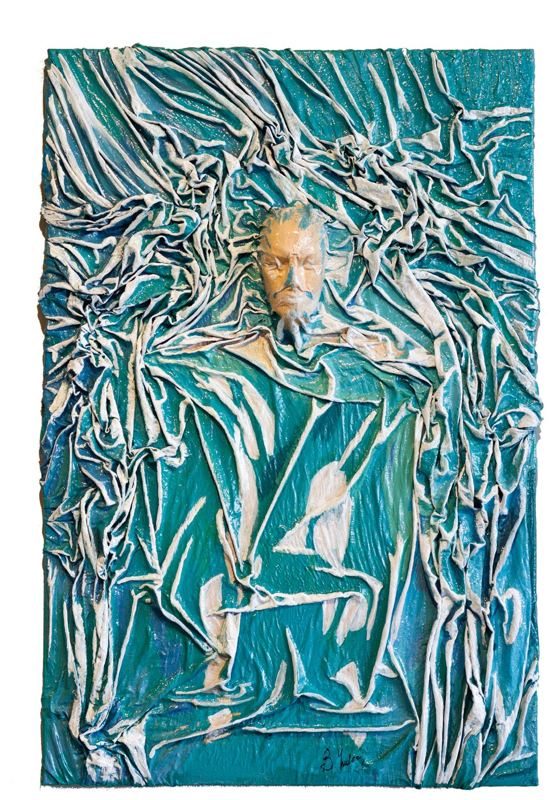
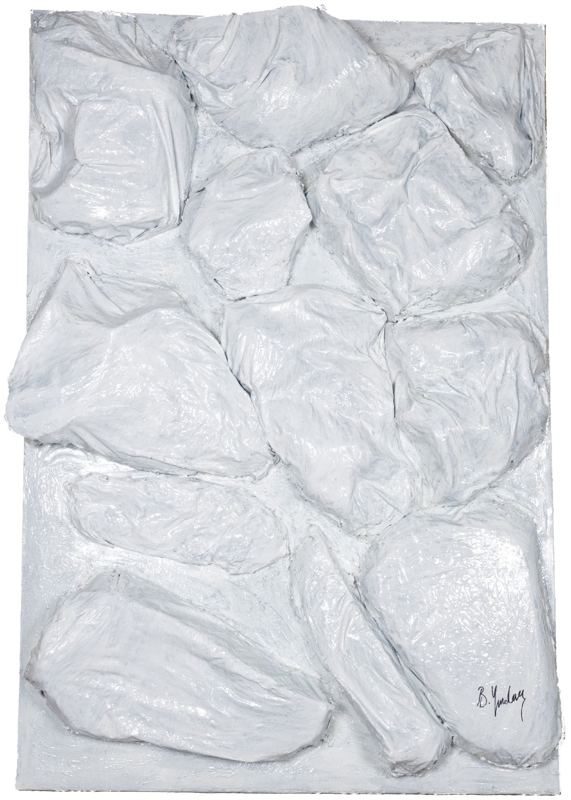
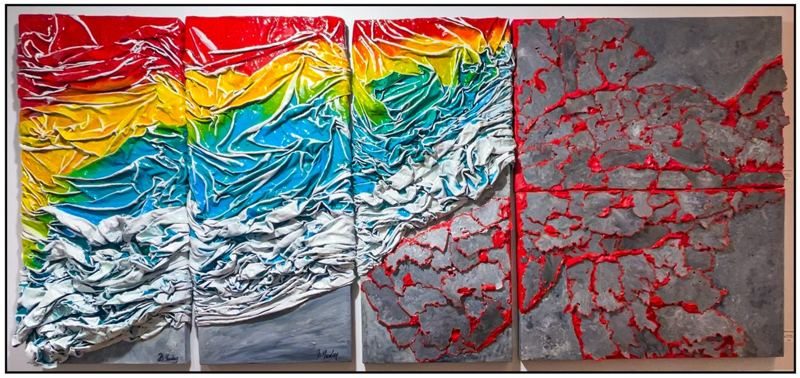
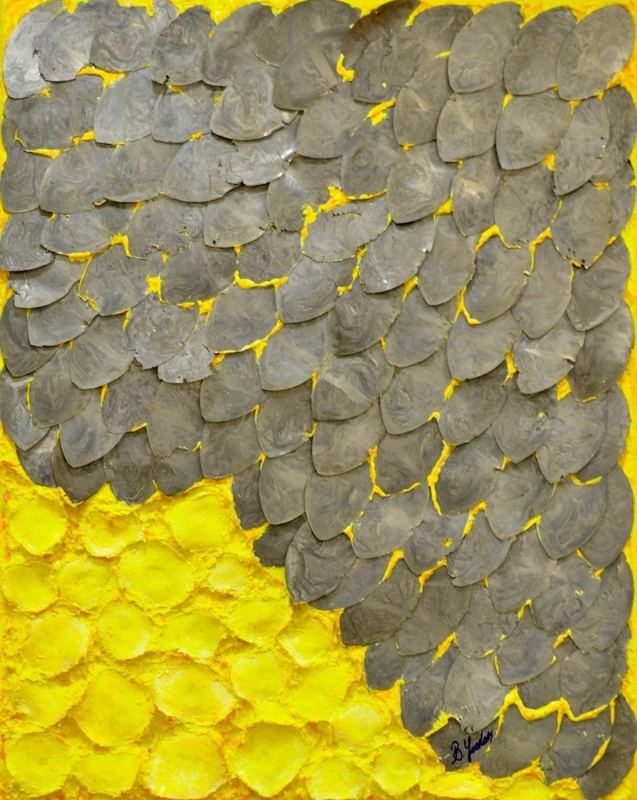
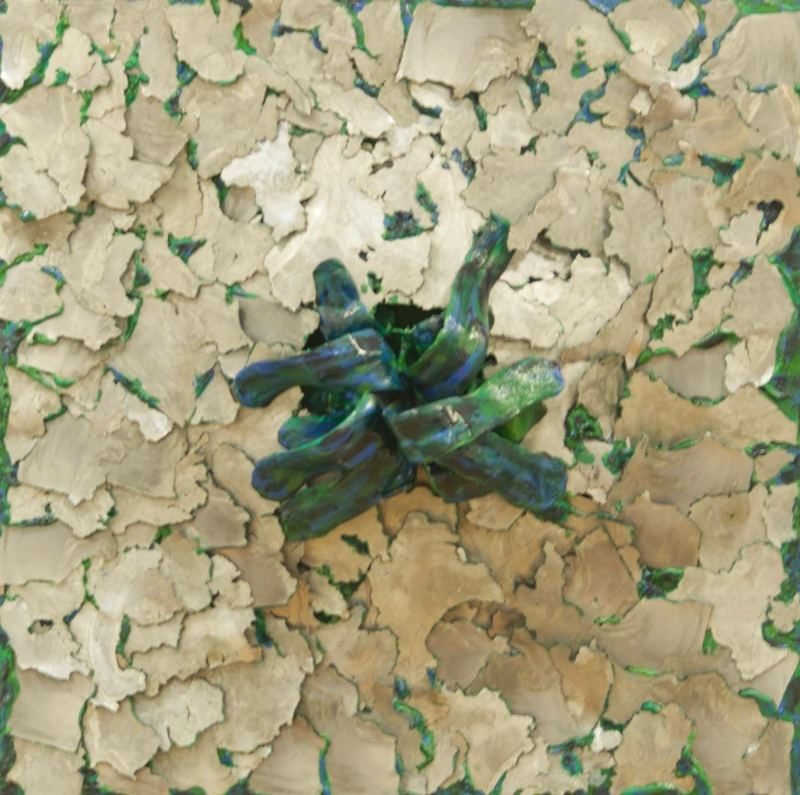
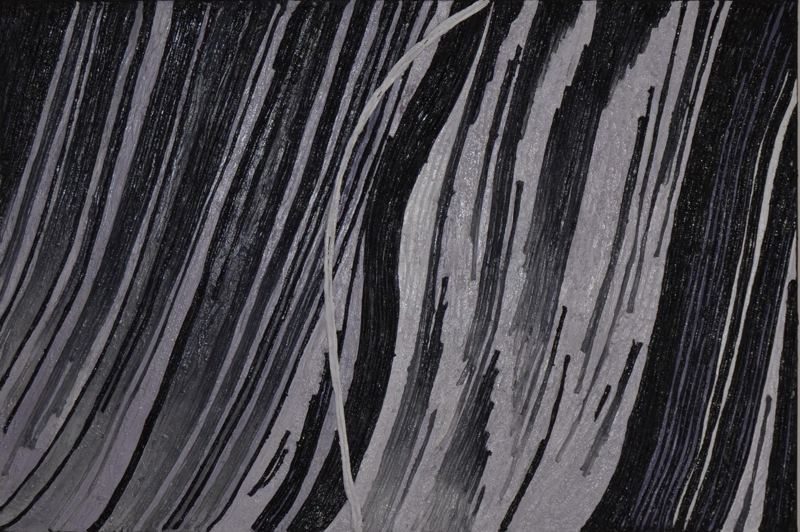
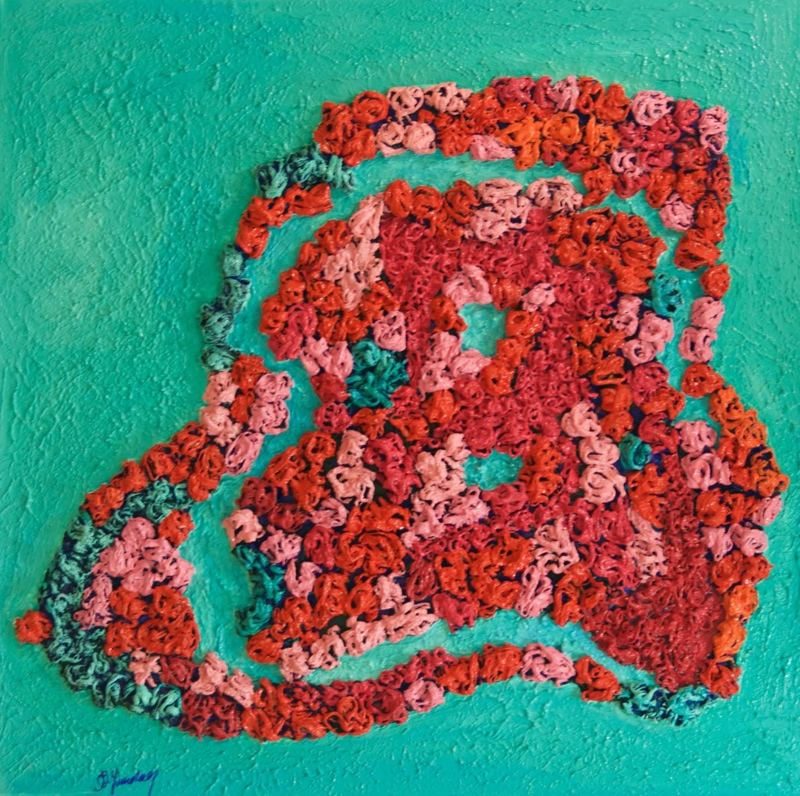
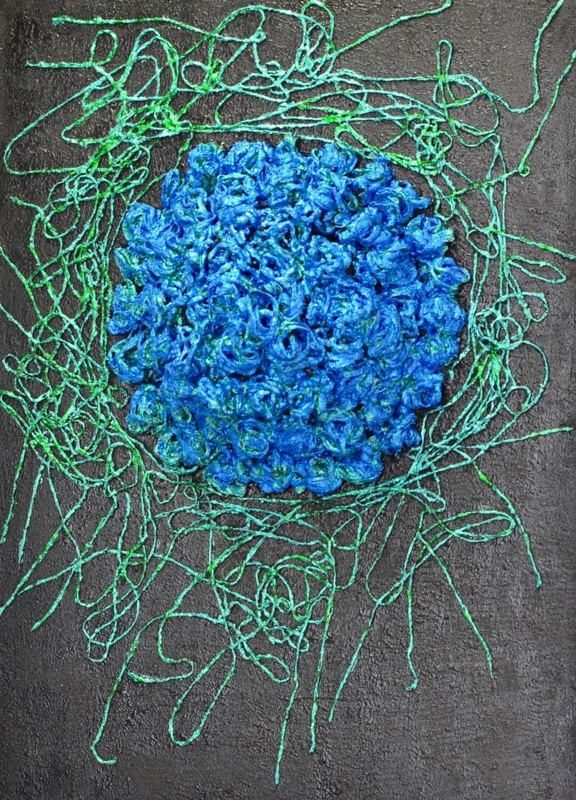
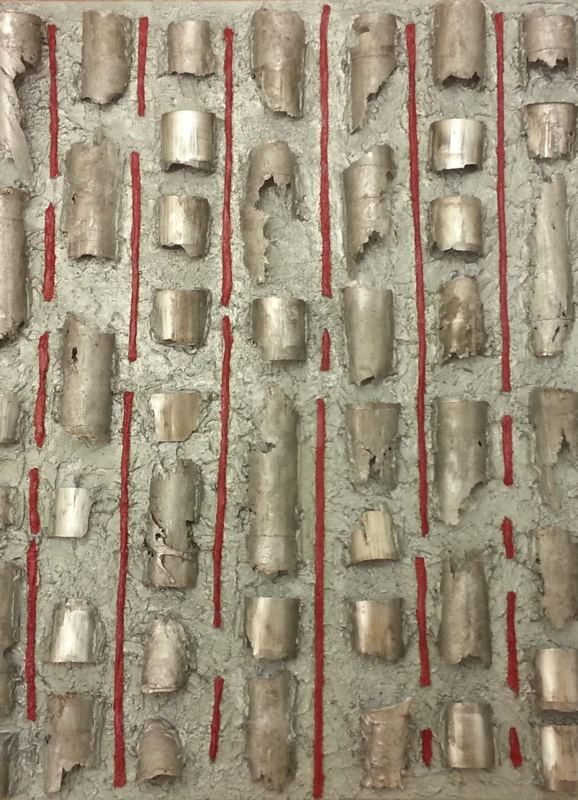
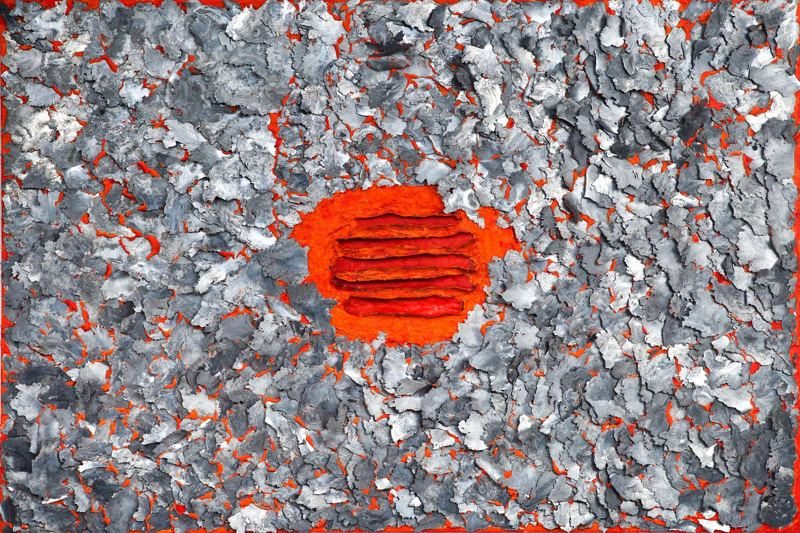
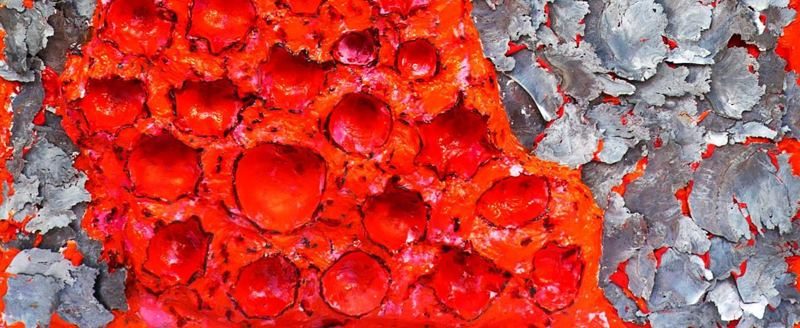
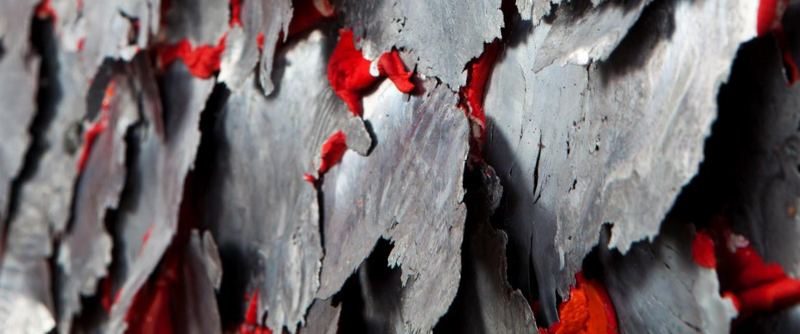
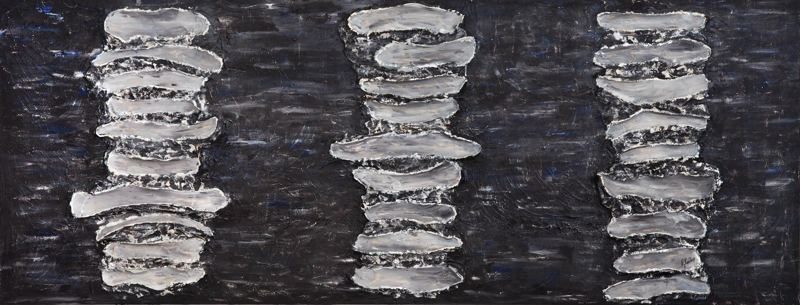
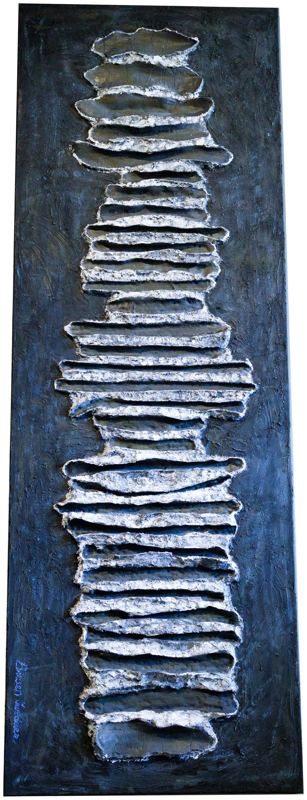
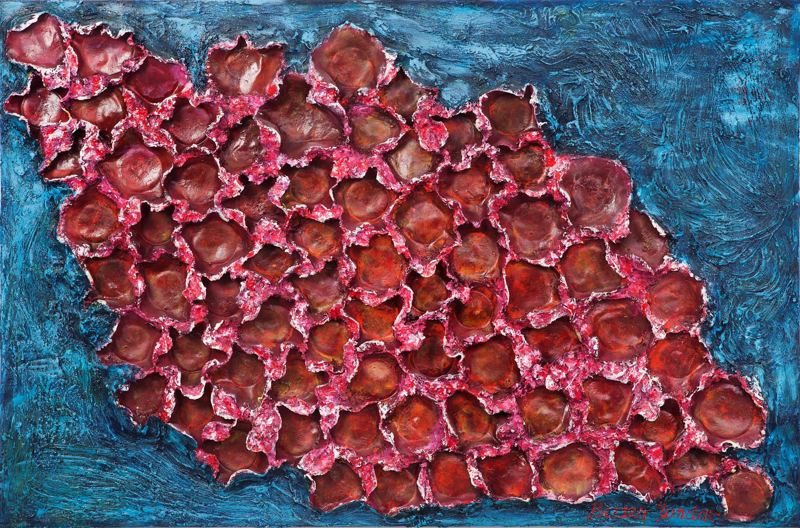
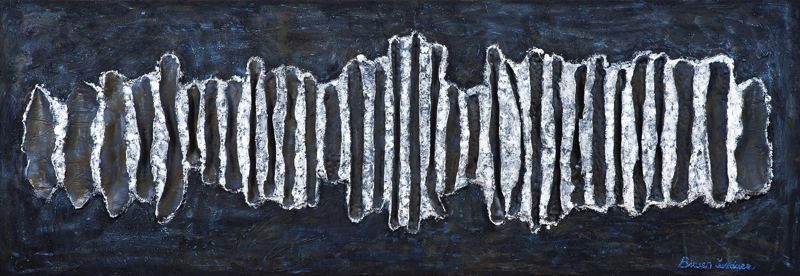
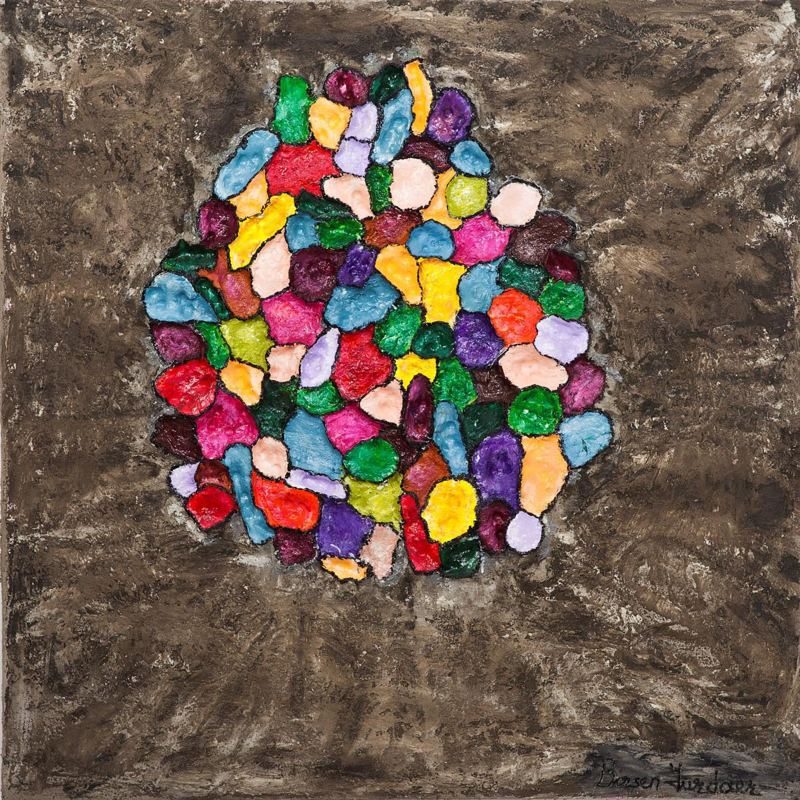
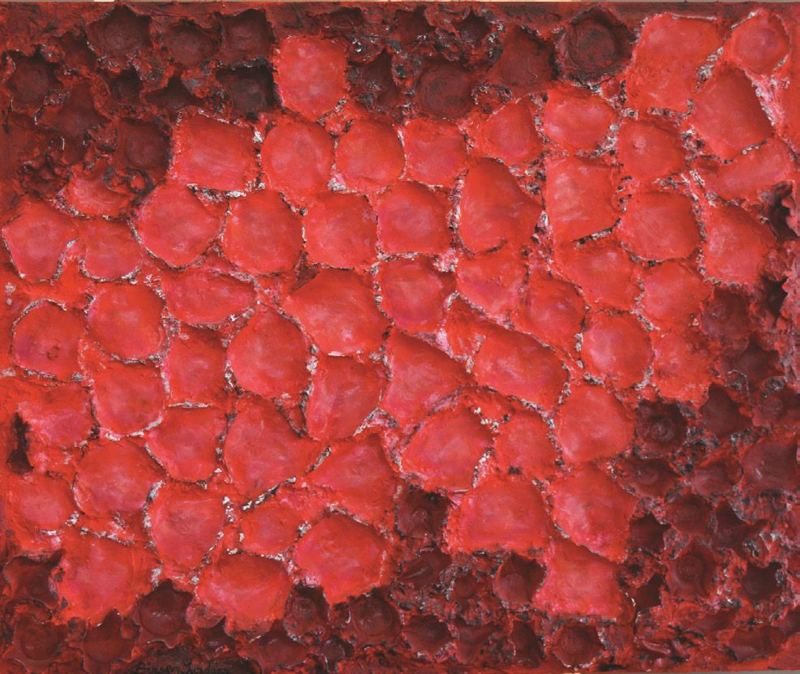
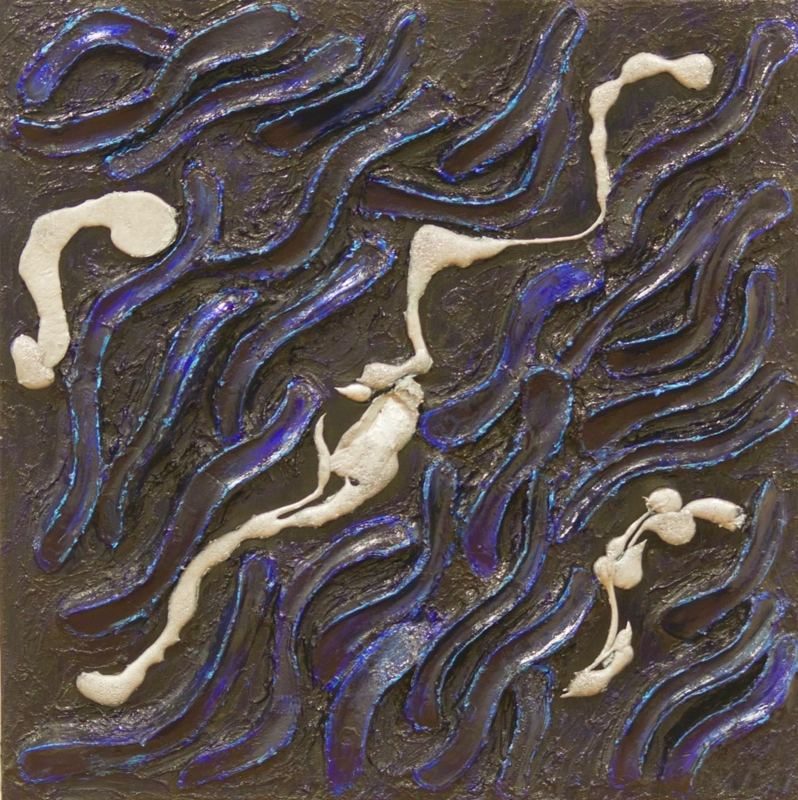
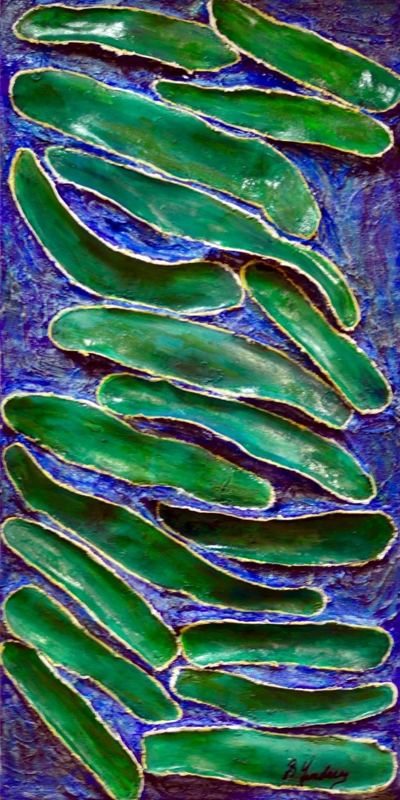
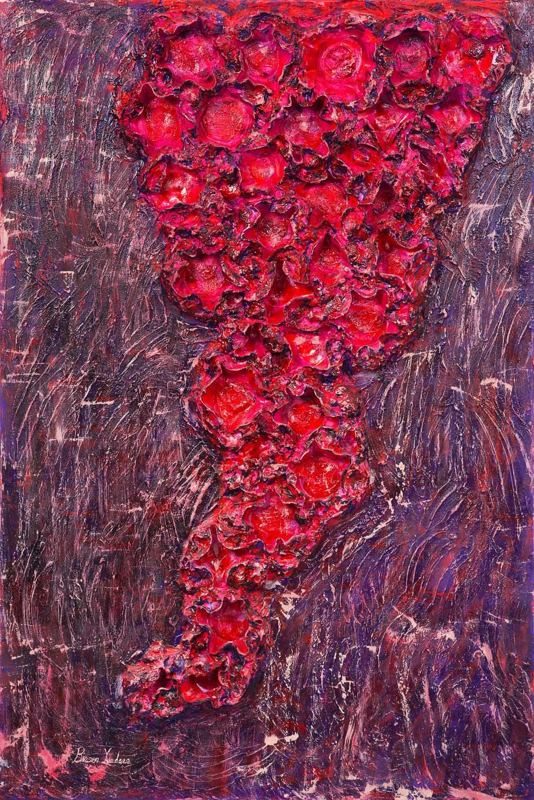
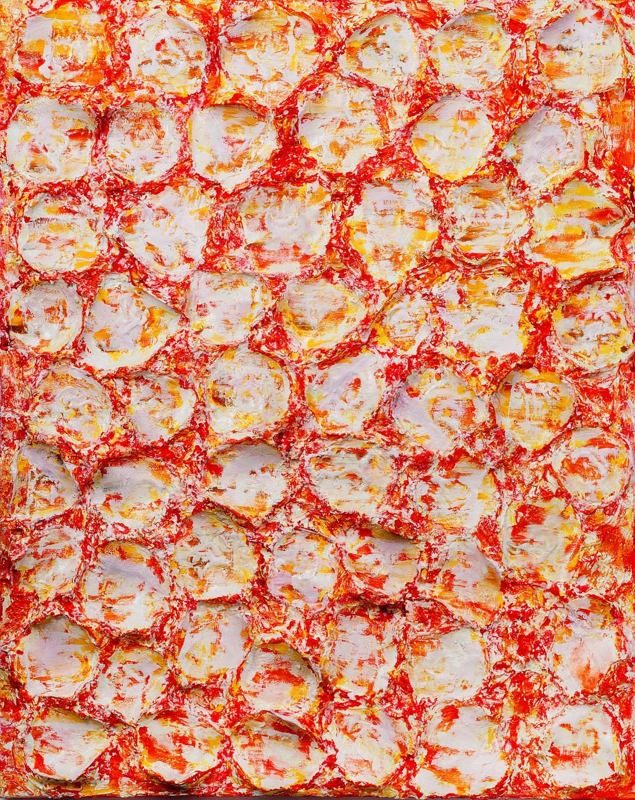
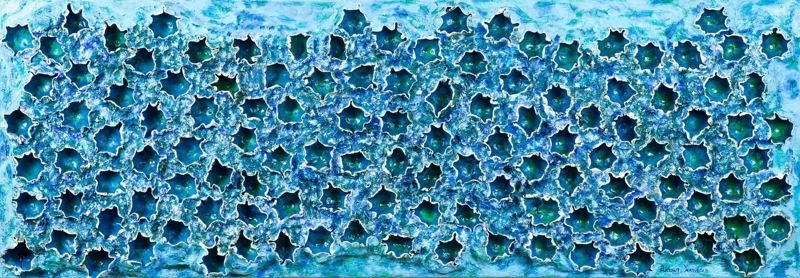
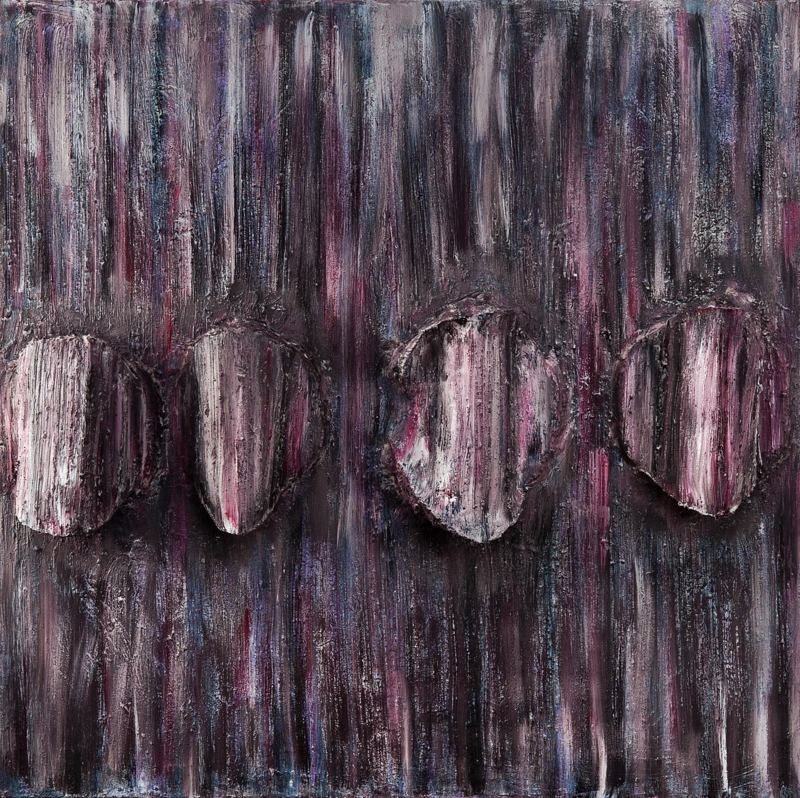
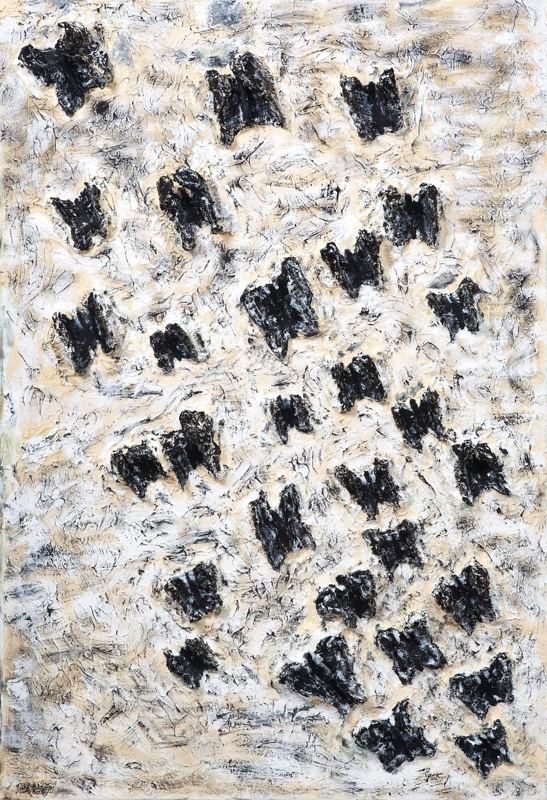
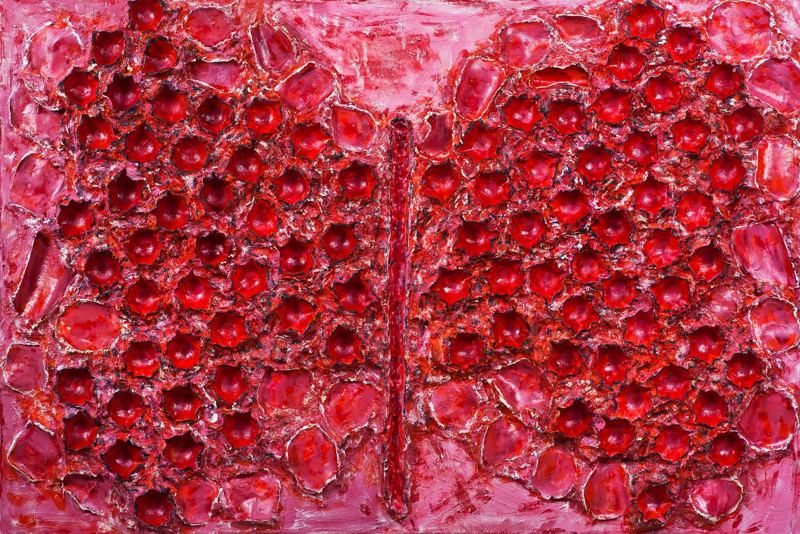
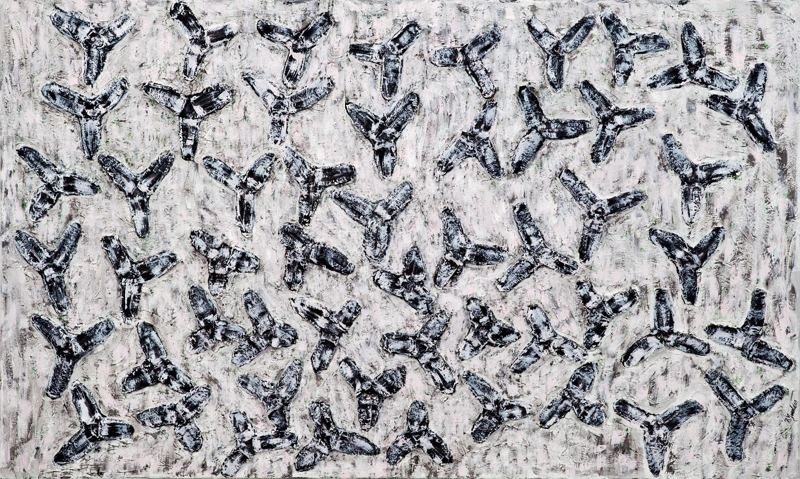
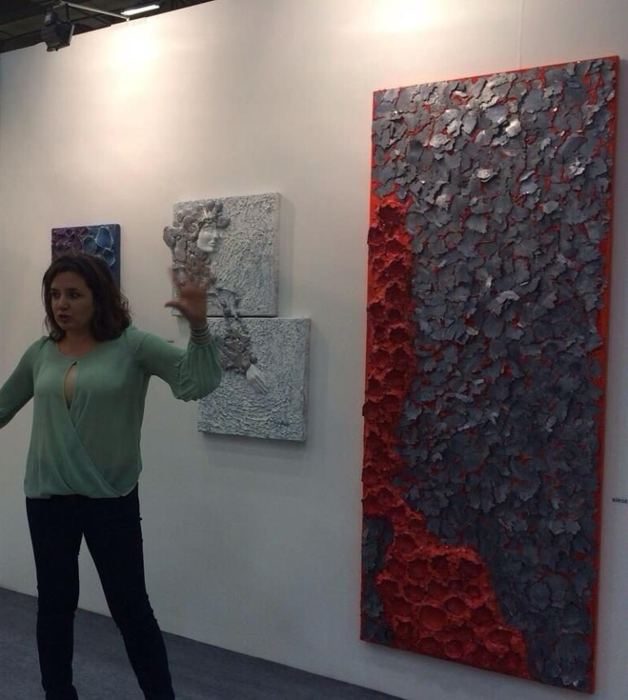
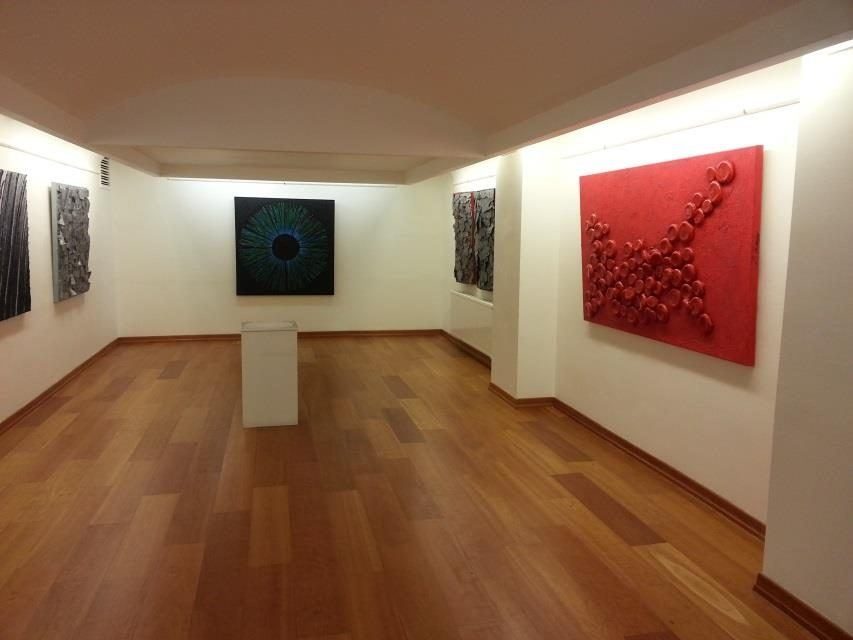
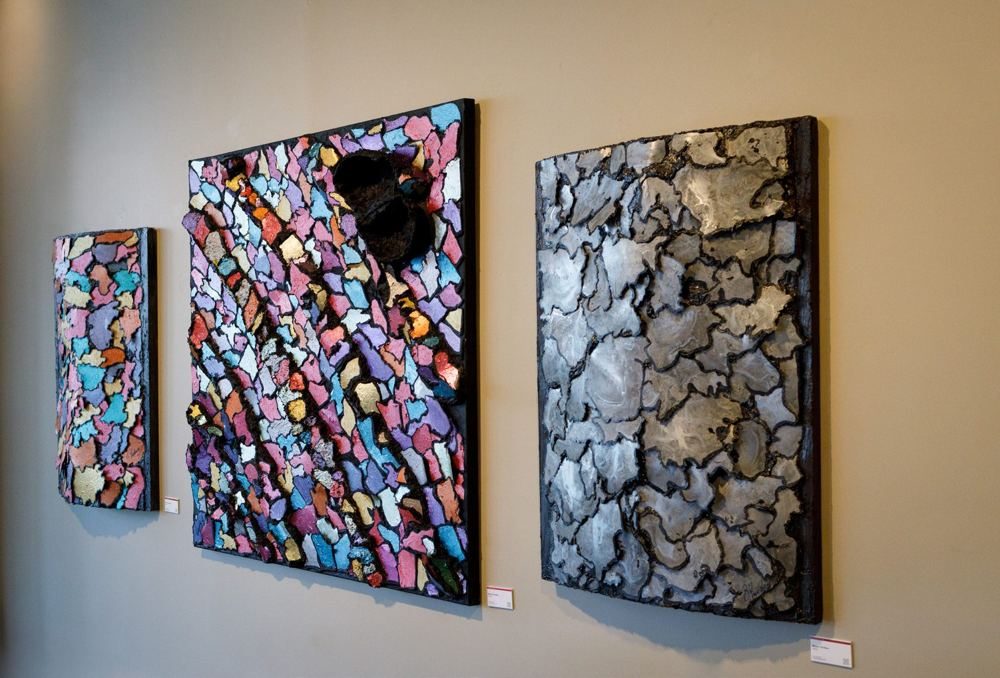
700 dereceye ulaşan alüminyum temelli alaşım, saatler süren hazırlığın ardından kum üzerinde açılan boşluklara dökülür. Erimiş metalin akışkanlığı ve kum yüzeyinin direnci saniyeler içinde yeni biçimler meydana getirir. Soğuyarak katılaşan metalin üzerine uygulanan reçine katmanları, renk ve yoğunluk aracılığıyla biçimin görsel ve fiziksel yapısını dönüştürür. Isı, basınç, hareket ve zaman, doğadaki oluşum süreçlerine benzer bir ilişki içinde çalışır. Yapıt, bu kuvvetlerin birlikteliğinde doğar.
Yurdaer’in denizin derinliklerinde başlayan arayışı, insanın doğayla kurduğu yaratıcı ilişkinin sınırlarına uzanır. Sanatçı, doğanın ortaya çıkardığı biçimleri taklit etmek yerine onları mümkün kılan kuvvetlerle çalışarak yaratıcı eylemin kendisini yeniden düşünmeye açar.
Peki doğayla kurulabilecek en sahici yaratıcı ilişki, onun biçimlerini yeniden üretmekten çok, yaratma yöntemlerini benimsemekte olabilir mi?
Yurdaer’in eserleri, temsil kavramını bu noktada yeniden düşünmeye açar. Doğayı resmetmekten, onun üzerinde hâkimiyet kurmaktan ya da biçimlerini ödünç almaktan farklı bir olasılığı gündeme getirir: Doğa gibi yaratmak.
Begüm Güney
Küratör
One of humanity’s oldest desires before nature is to share in its creative power: to give form to matter, to direct transformation, to rebuild by one’s own will the processes nature has carried out over millions of years.
Throughout the history of art, nature stood before the artist as a reality to be observed, interpreted and represented. Yet to think of nature only as an image to be depicted is to overlook its constantly changing existence. Can the artist, then, adopt nature’s methods of creation instead of depicting what it produces?
Yurdaer’s work offers a contemporary answer to that possibility. In her practice the sea is a field of research where colours, textures and organic forms are discovered. Her gaze moves away from the familiar view of the whole and turns to the detail. The formations that usually escape notice beneath the surface, the unexpected shifts of colour and the unstable structures become the source of her formal investigations. Yurdaer carries the dynamics behind these forms into her own production.
New materialist thought, which questions the traditional division between subject and object, finds a concrete counterpart in her practice. Material is not a passive instrument fully subordinate to the artist’s will. With its physical properties, its resistance and its unpredictable movements, it is an active component of creation. The artist’s role is not to eliminate these forces but to build the conditions in which they can work together.
An aluminium-based alloy heated to 700 degrees is poured, after hours of preparation, into cavities opened in sand. The fluidity of the molten metal and the resistance of the sand surface produce new forms within seconds. Layers of resin applied to the cooled, solidified metal transform the visual and physical structure of the form through colour and density. Heat, pressure, movement and time work in a relationship that resembles the processes of formation in nature. The work is born from the coming together of these forces.
Yurdaer’s search, which begins in the depths of the sea, extends to the limits of the creative relationship between humans and nature. Rather than imitating the forms nature brings forth, the artist works with the forces that make them possible and opens the creative act itself to rethinking.
Could the most authentic creative relationship with nature lie not in reproducing its forms but in adopting its methods of creation?
At this point Yurdaer’s works invite us to rethink the concept of representation. They raise a possibility different from painting nature, mastering it or borrowing its forms: creating like nature.
Begüm Güney
Curator
Kaydınız alındığında onay e-postası ve takvim daveti gönderilir. Bilgileriniz yalnızca sergi iletişimi için kullanılır.When your registration is received you get a confirmation e-mail and a calendar invite. Your details are used only for exhibition communication.
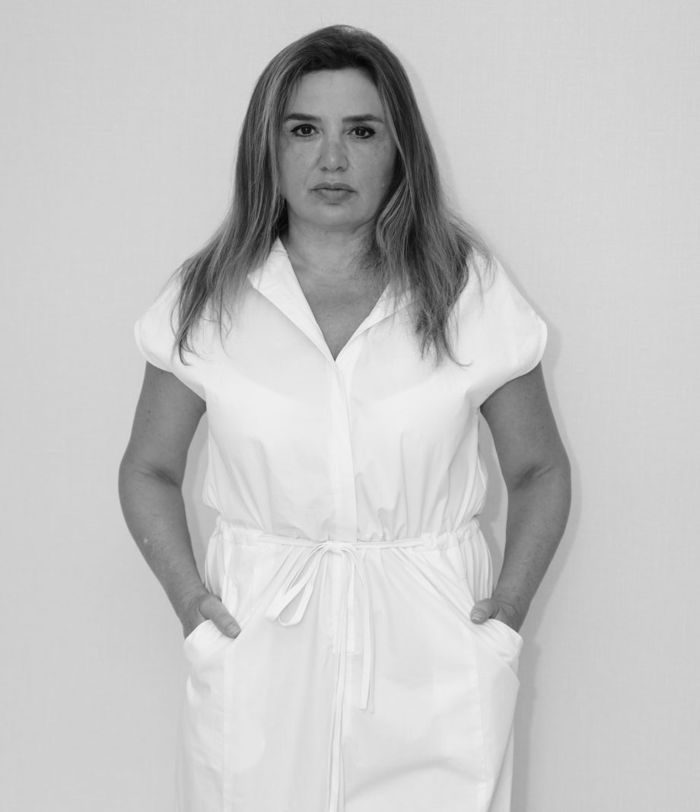
Yurdaer 1970’te Samsun’da doğdu. Resim, heykel ve seramikle genç yaşta tanıştı; Şengün Koşar ve Emine Ersoy’dan ders aldı. Marmara Üniversitesi Diş Hekimliği Fakültesi’ni bitirdi, Frankfurt Goethe Üniversitesi’nde implantoloji yüksek lisansı yaptı; bu eğitimin teknik ve estetik birikimi heykel ve resim diline taşındı.
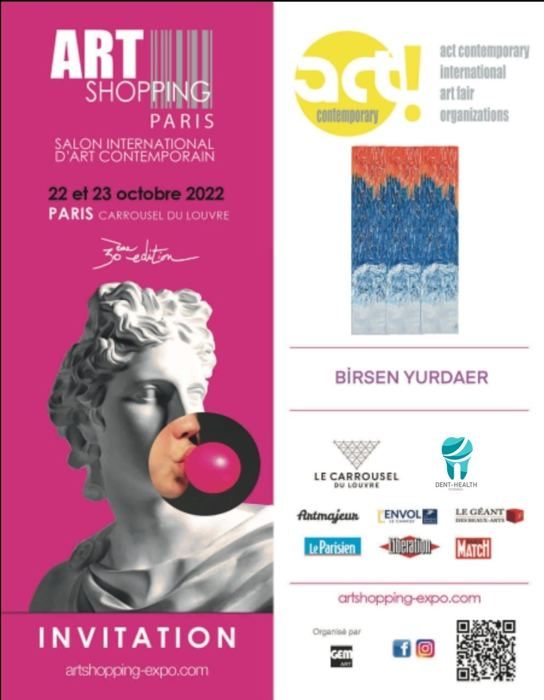
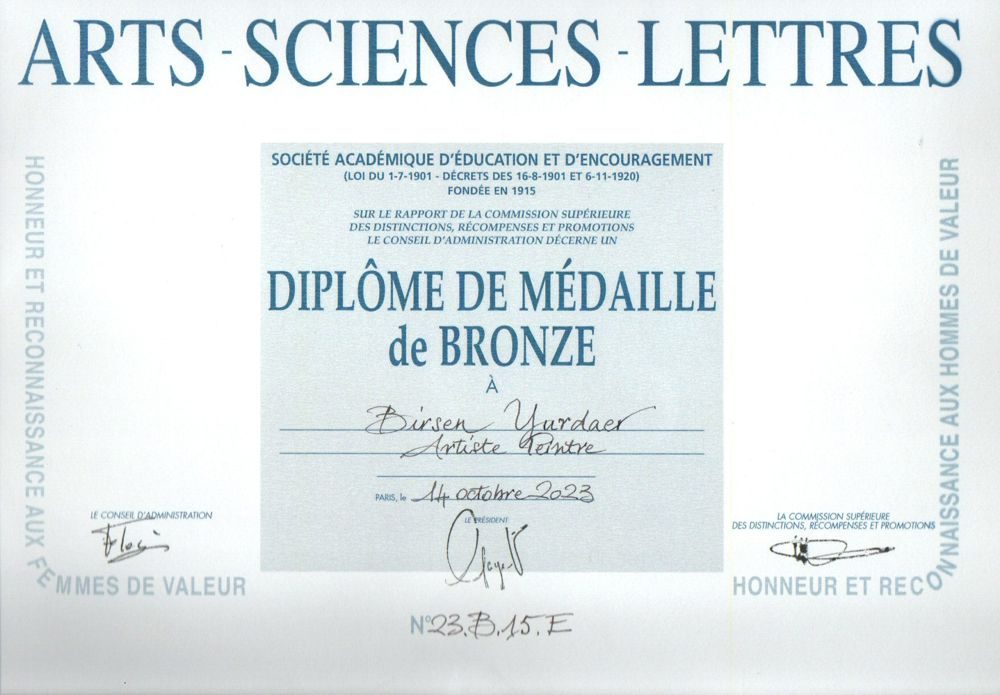
1997–2007 arasında Güler Güngör atölyesinde üretti, 2014’te İstanbul Üniversitesi Felsefe Bölümü’ne başladı. Üretimi resim ile heykel arasındaki sınırda konumlanır; “doğanın matematiği” dediği, biçimler arasında kurulup bozulan ilişkiler ağını görünür kılmaya çalışır. 2023’te Paris’teki Société Académique Arts-Sciences-Lettres (kuruluş 1915) tarafından Bronz Madalya Diploması ile onurlandırıldı; 2022’de Carrousel du Louvre’da sergiledi. Bugün kendi atölyesinde çalışmaya devam ediyor.
Yurdaer was born in Samsun in 1970. She came to painting, sculpture and ceramics at an early age, studying with Şengün Koşar and Emine Ersoy. She graduated from the Faculty of Dentistry at Marmara University and completed a master’s degree in implantology at Goethe University Frankfurt; the technical and aesthetic discipline of that training carried over into her sculptural and painterly language.
She worked in Güler Güngör’s studio between 1997 and 2007 and began studying Philosophy at Istanbul University in 2014. Her practice sits on the border between painting and sculpture, tracing what she calls “the mathematics of nature”: the web of relations that forms and dissolves between shapes. In 2023 she was awarded the Bronze Medal Diploma by the Société Académique Arts-Sciences-Lettres in Paris (founded 1915); in 2022 she exhibited at the Carrousel du Louvre. She continues to work in her own studio.